

LAPIÁS
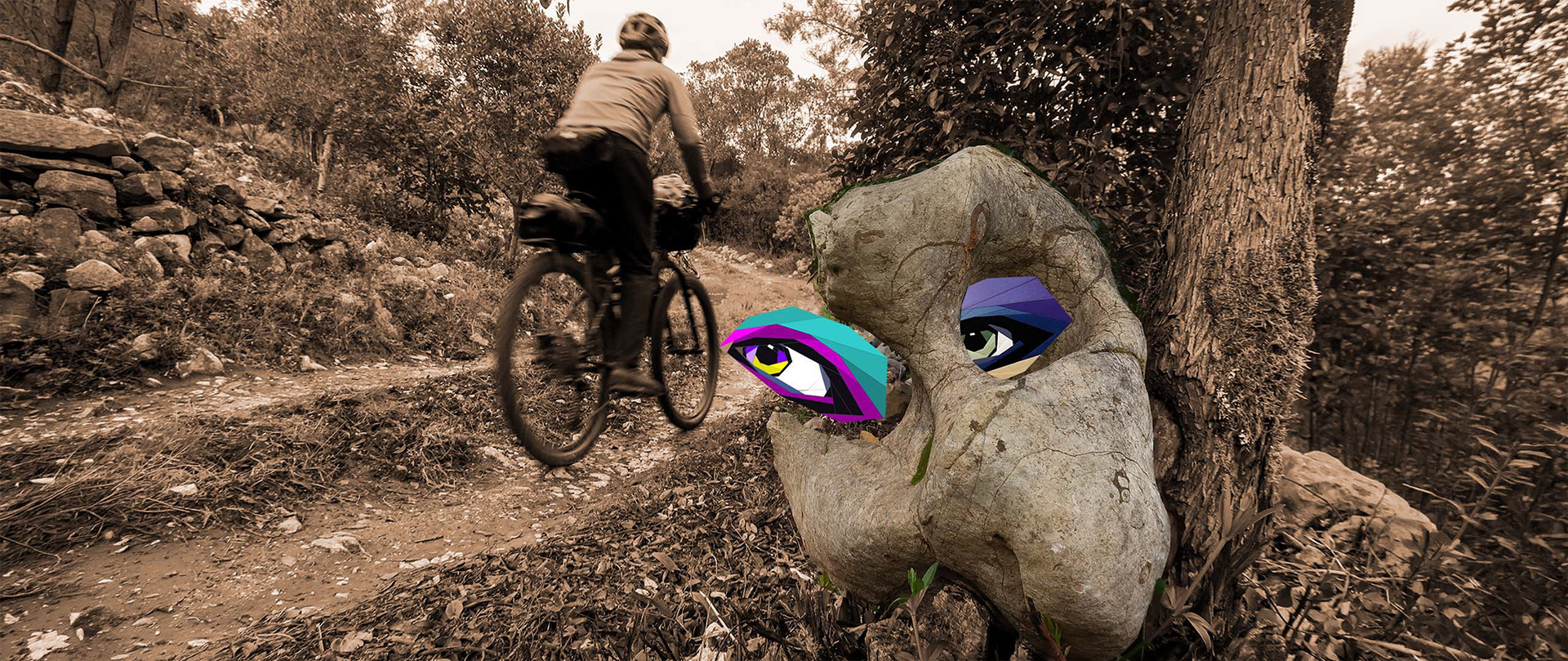
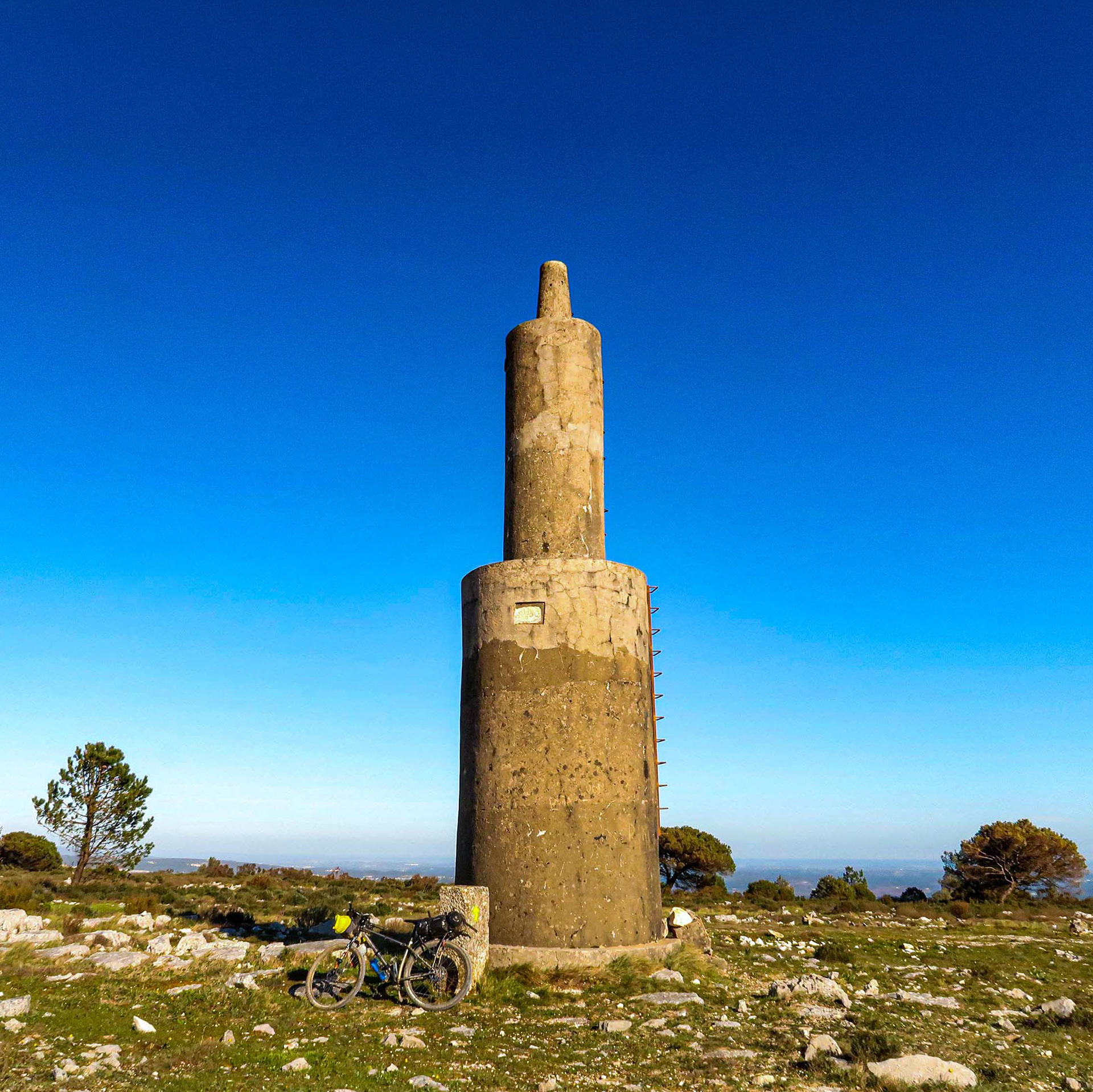
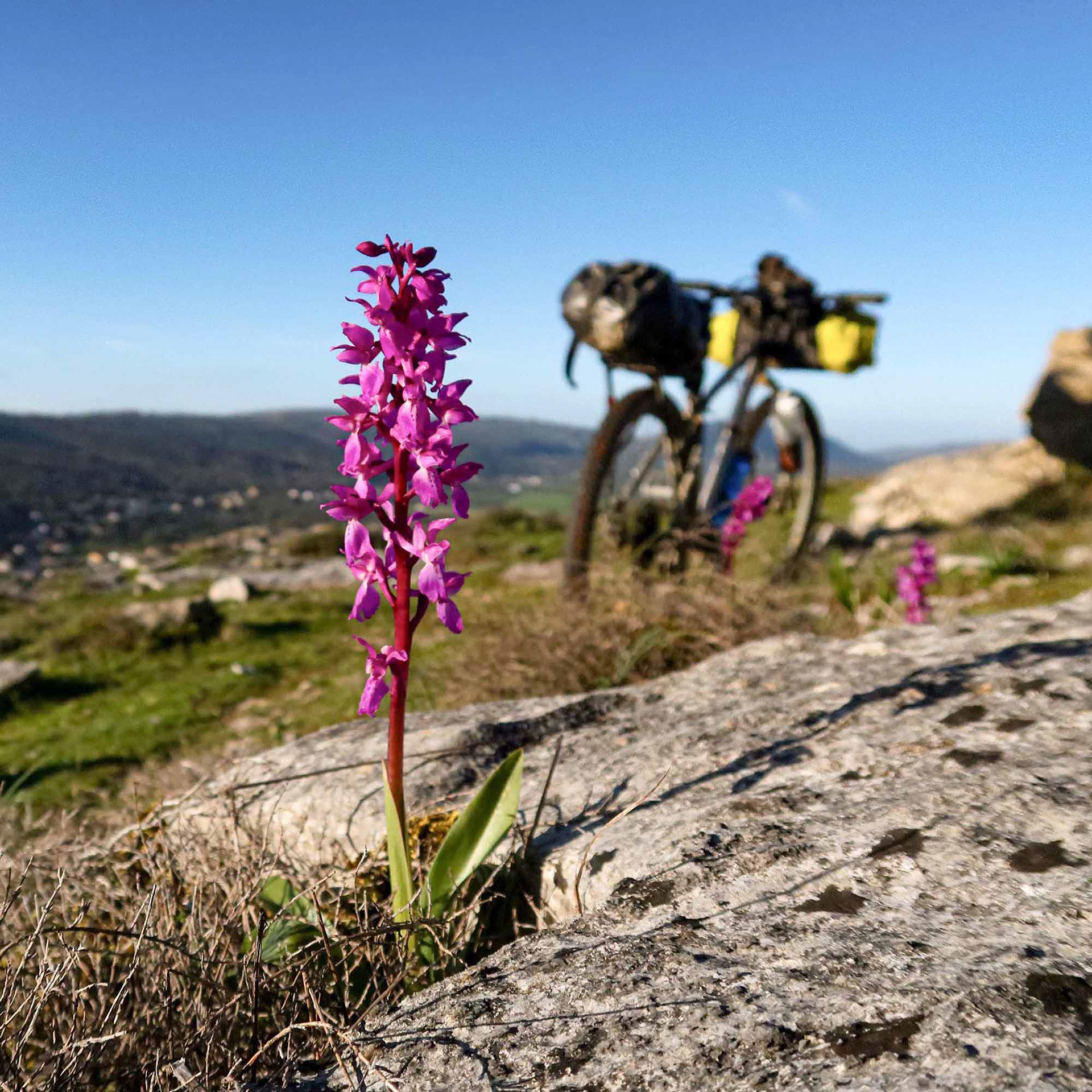
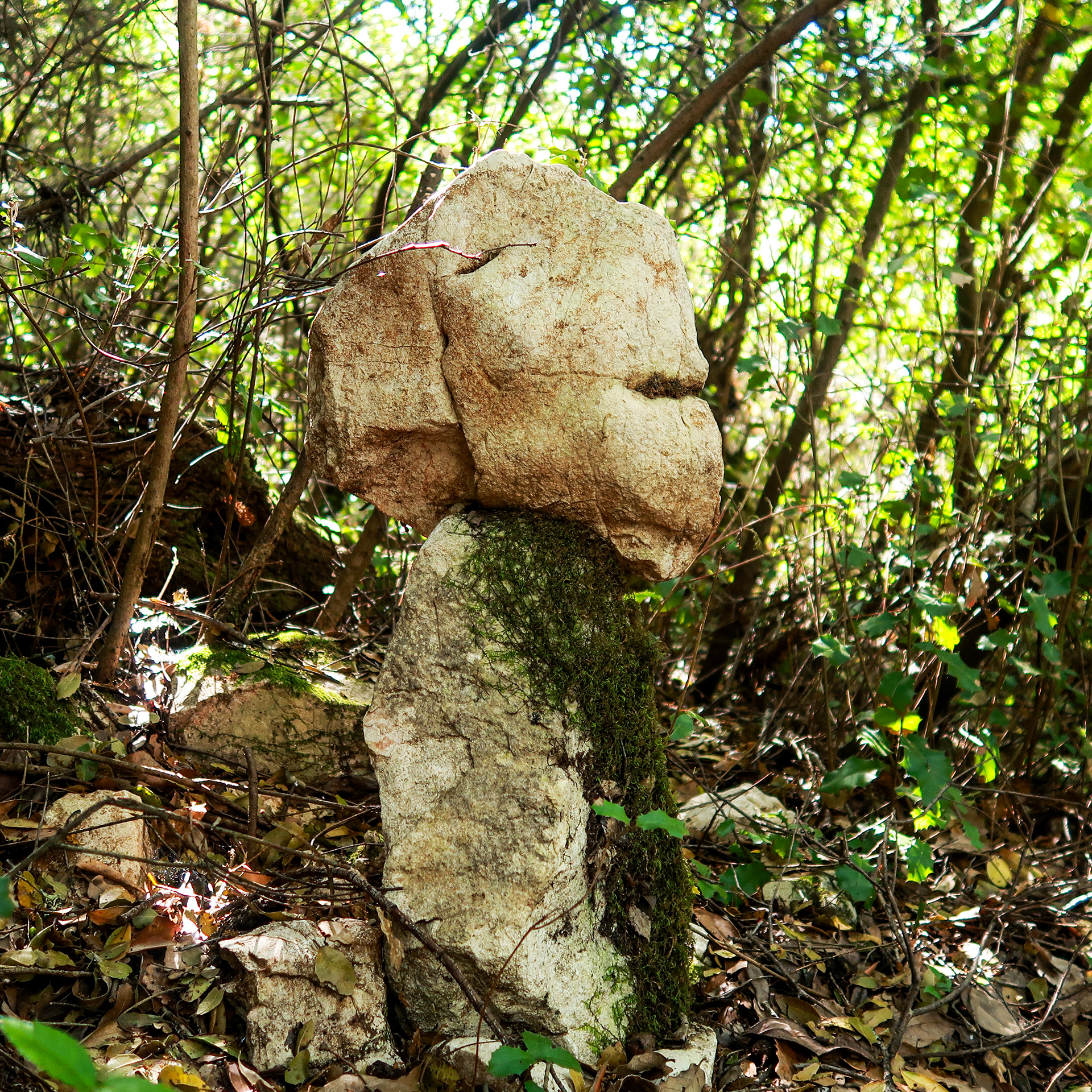
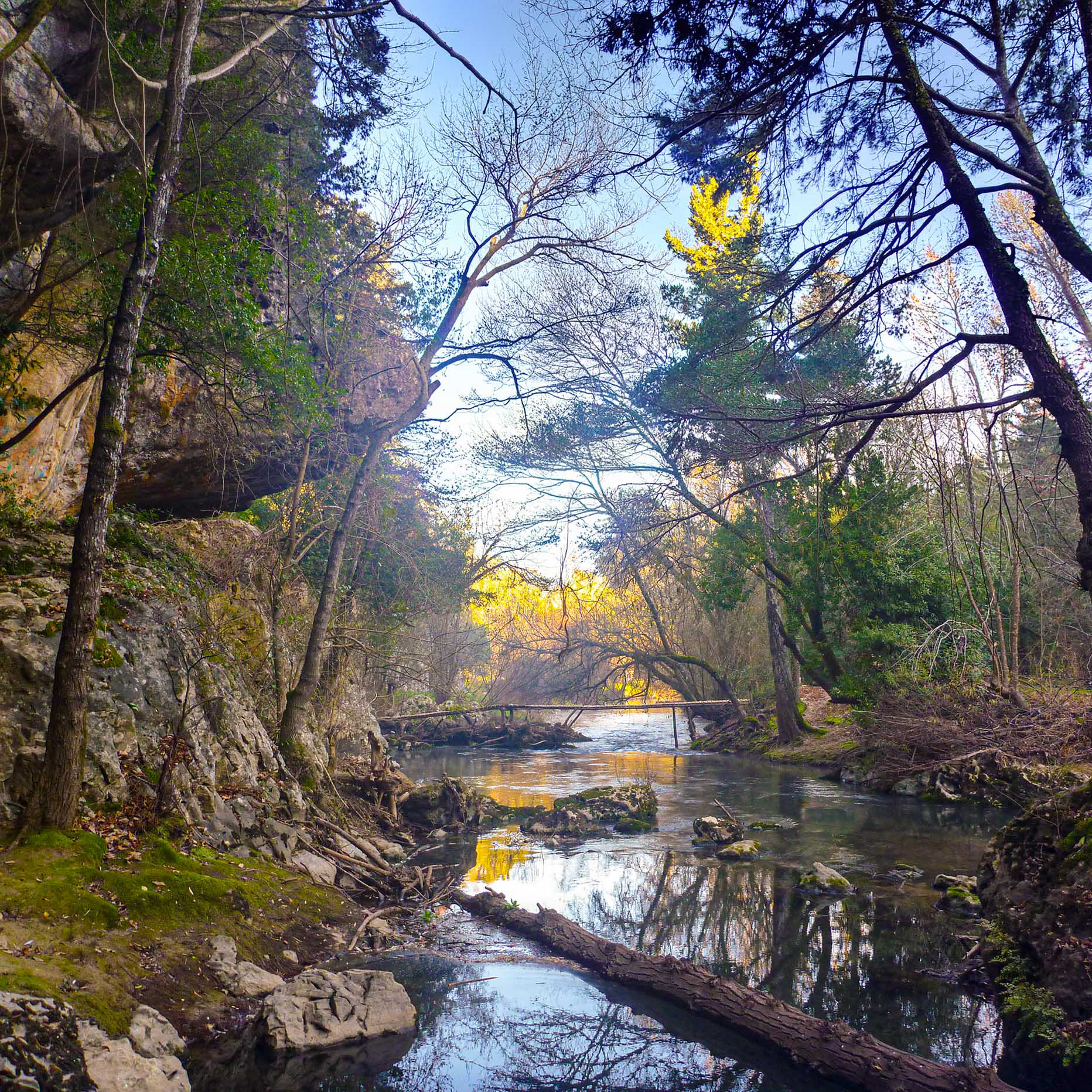
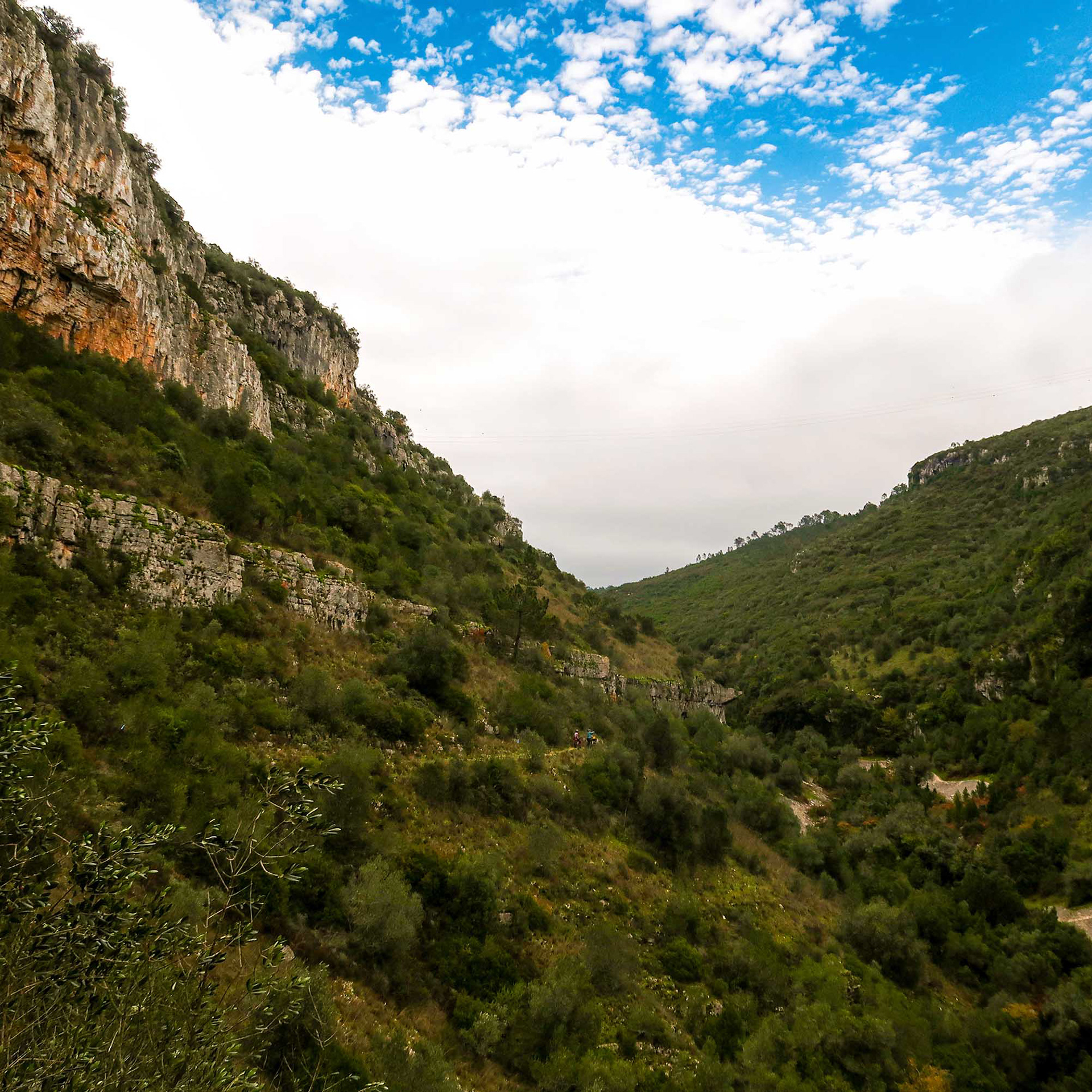
É o rendilhado de rocha nua esculpido pela água no calcário; uma paisagem escultural e labiríntica que define a identidade visual e técnica desta rota.
Is the karst formation of exposed rock sculpted by water; a sculptural, labyrinthine landscape that defines the visual and technical identity of this route.
//
DESCRIÇÃO // Route overview
O desenho desta rota surgiu por mero acaso. A bicicleta é o meu transporte diário e, quando há tempo, também para longas distâncias. Deslocar-me entre Mafra e Tomar — a minha terra natal — tornou-se um hábito onde os alforges carregavam não só o equipamento de aventura, mas também o TEIXO estúdio-oficina. Trabalhando entre estes dois locais, a bicicleta passou a ser a ponte logística e o que seria uma viagem monótona transformou-se num processo de descoberta constante. Ao chegar a casa, a minha curiosidade levava-me a analisar cada troço, a descartar o que não me agradava e a regressar para experimentar o caminho ao lado. Foi esta obsessão por testar inúmeras variantes que me permitiu construir aquele que acredito ser o melhor percurso possível. Tornou-se lógico transformar este projeto em algo maior, com a intenção de partilhar a brutalidade e a beleza destes locais.
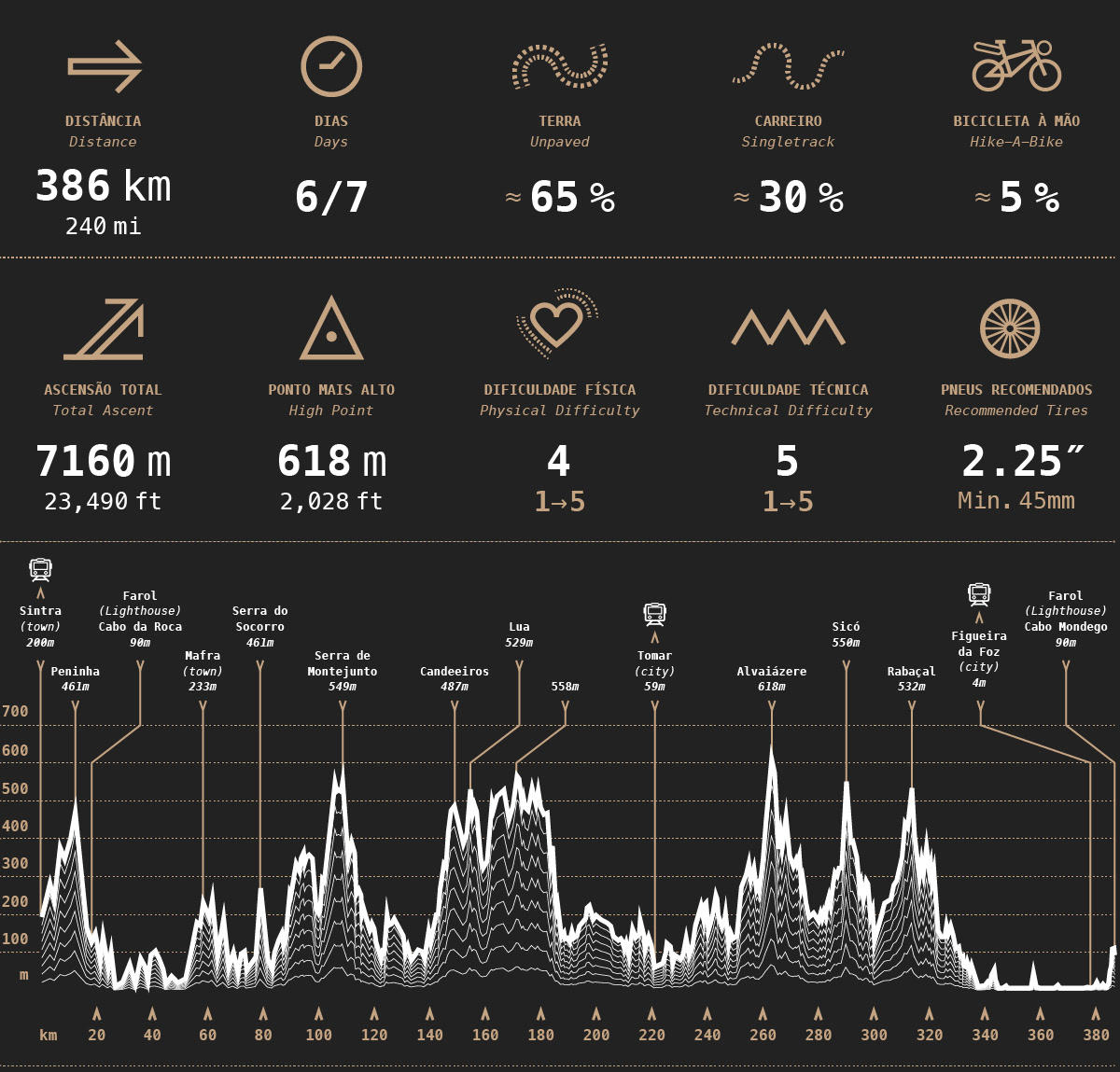
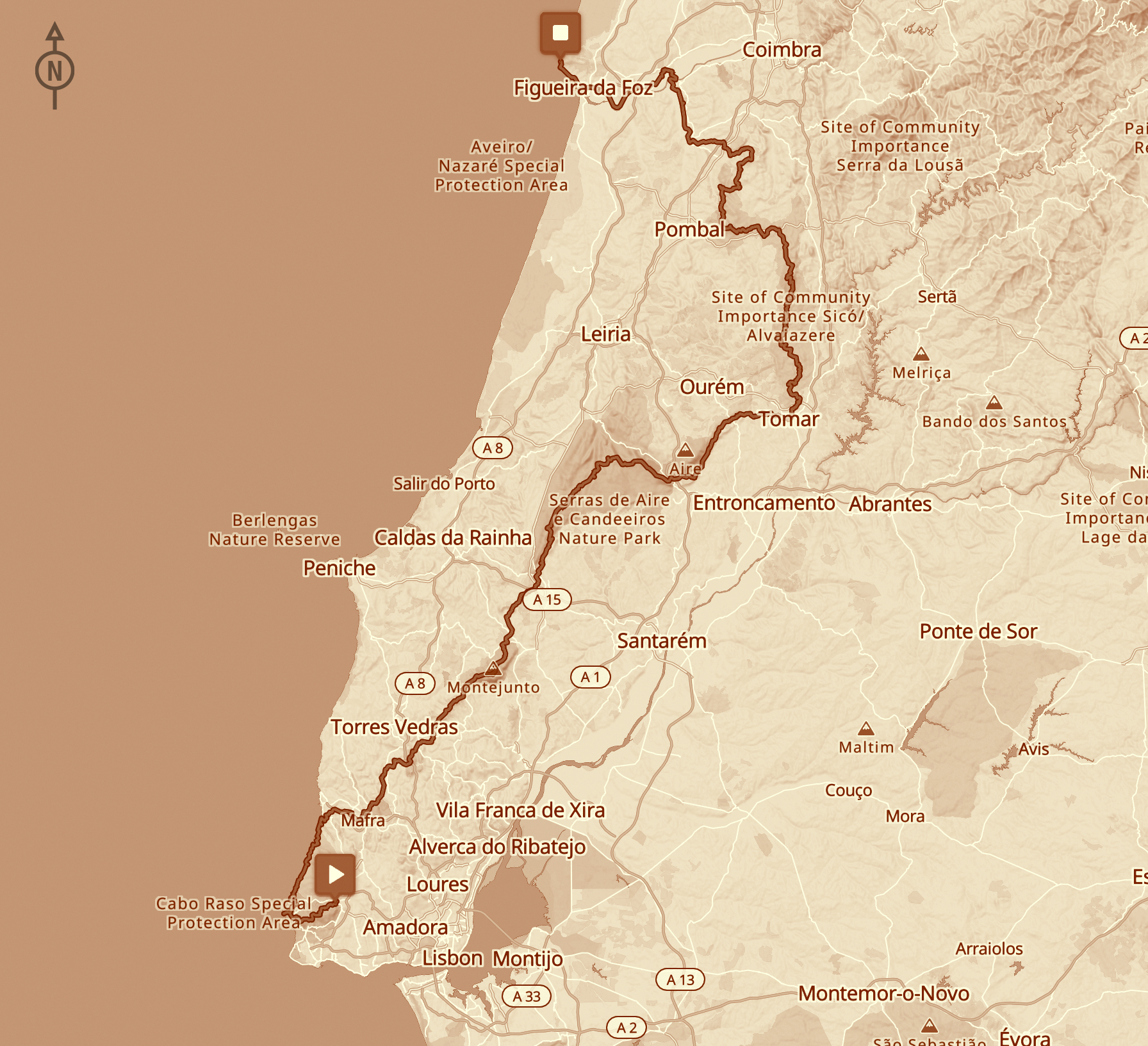
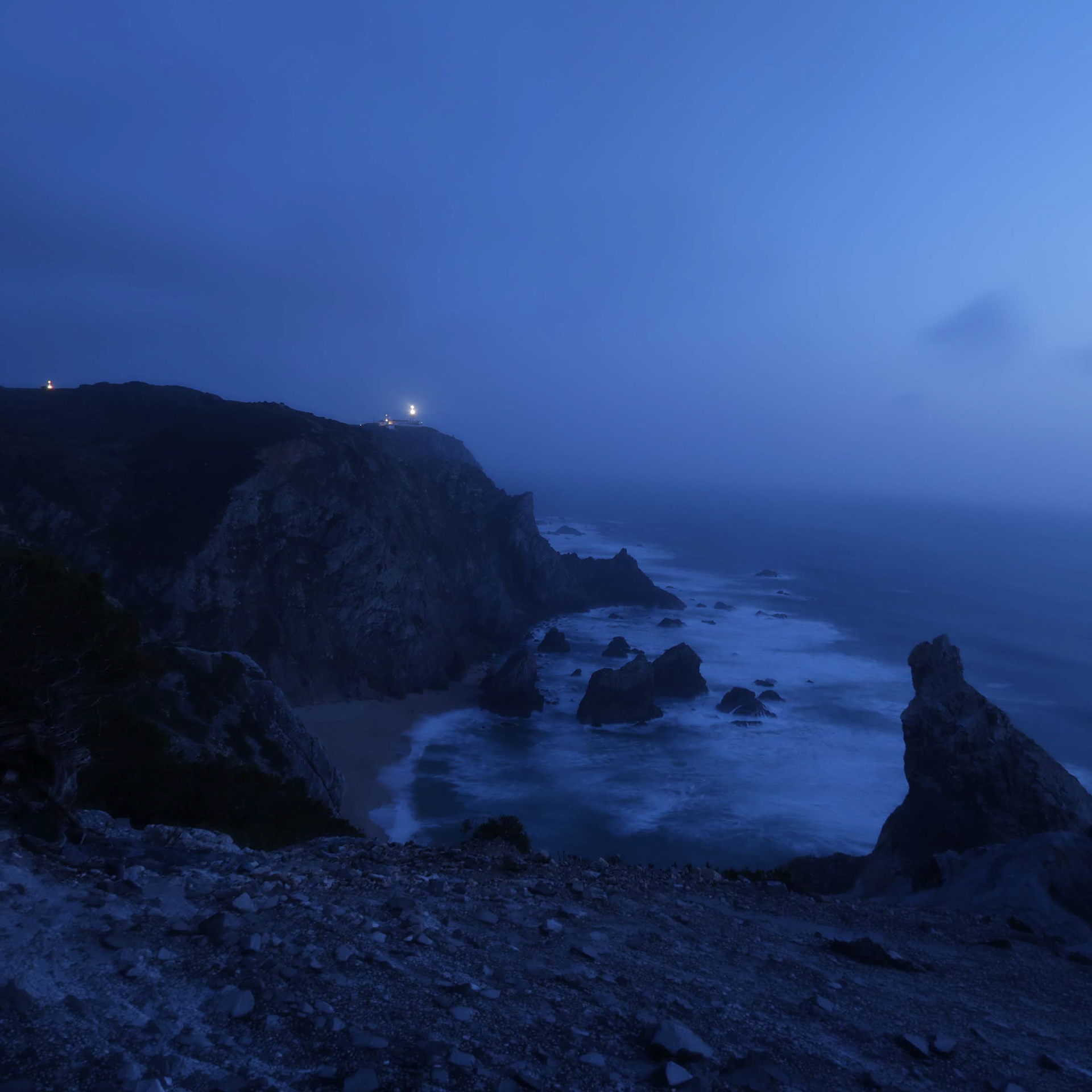
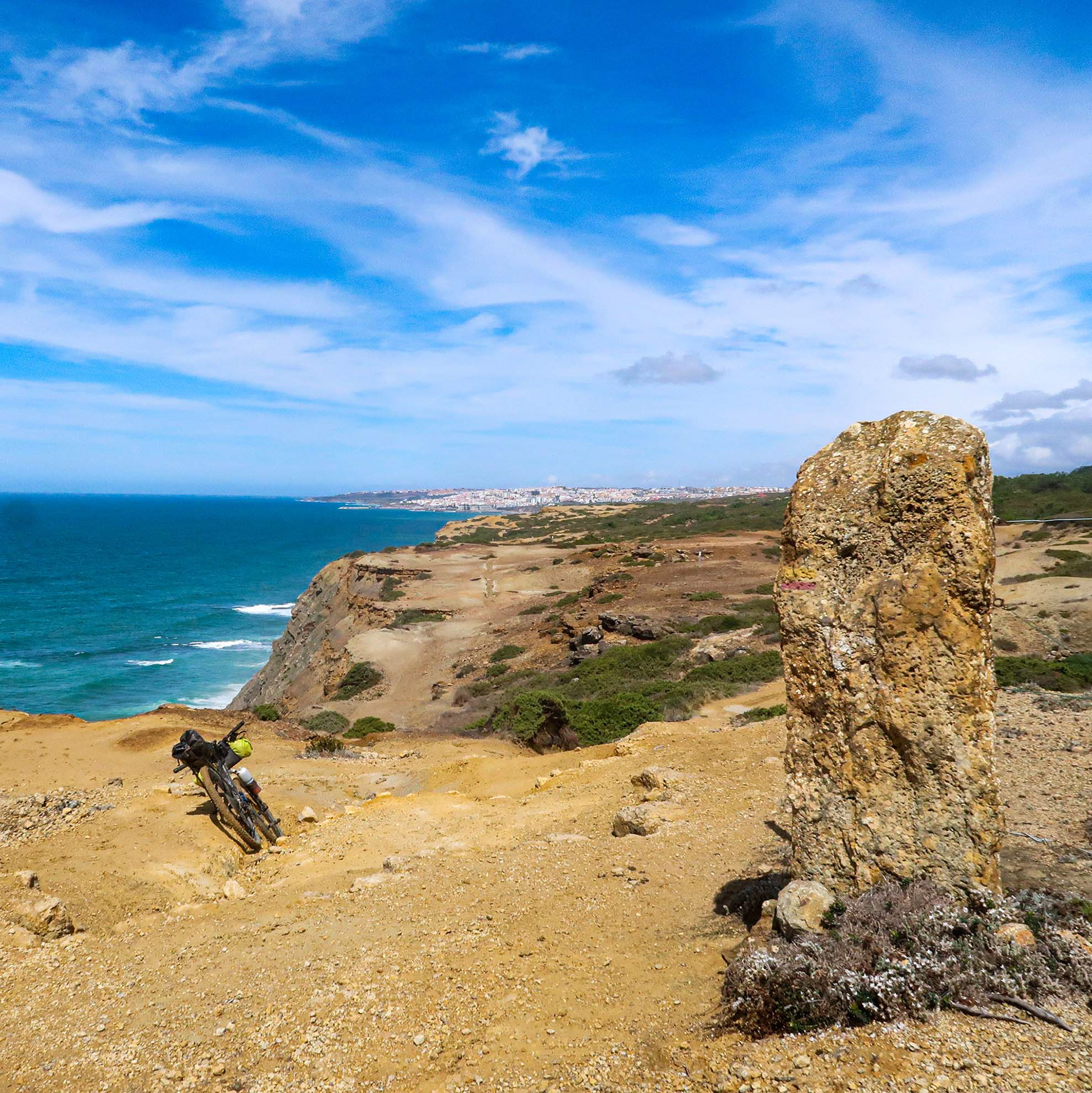
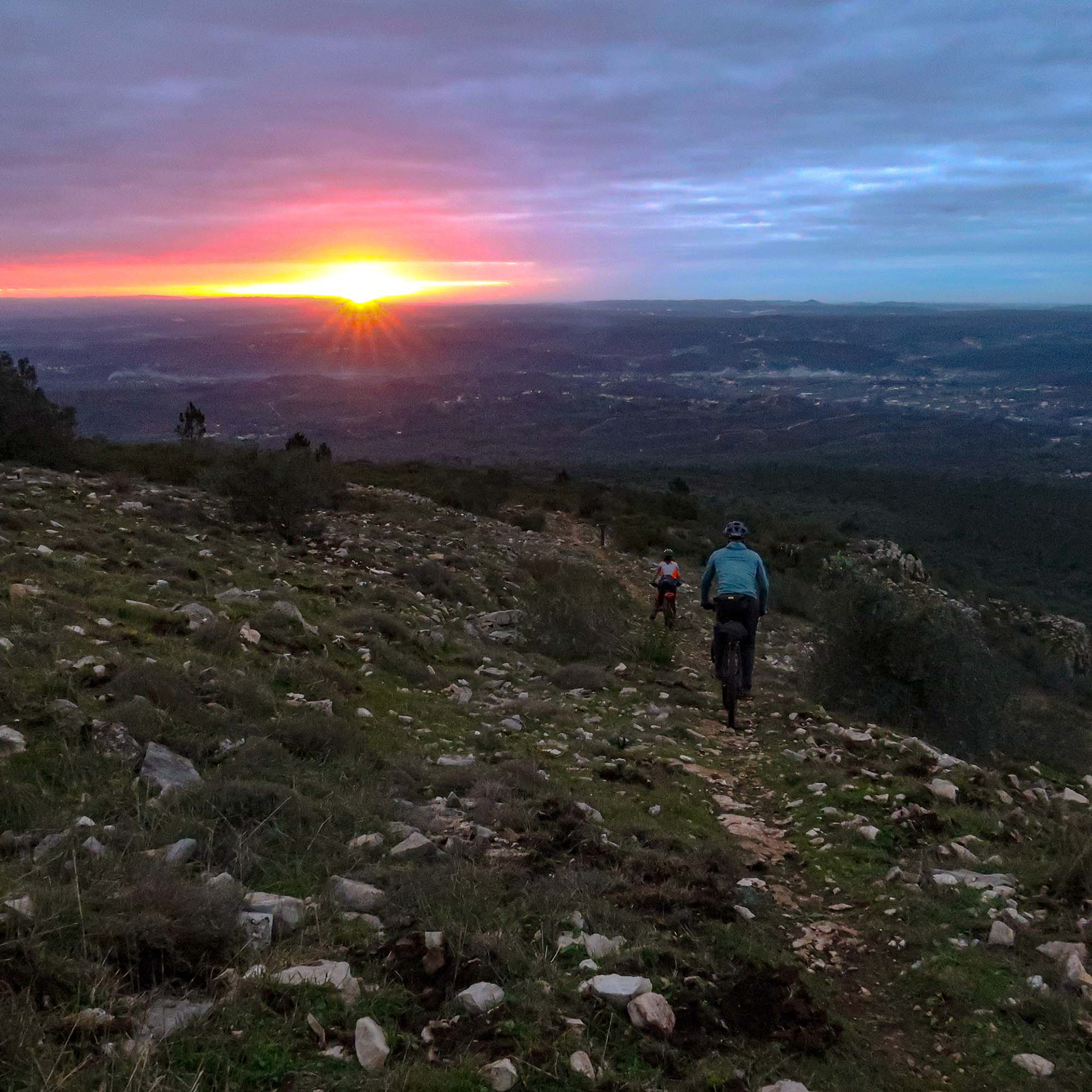
Este itinerário une dois pontos míticos: o Cabo da Roca e o Cabo Mondego. A jornada inicia-se na mística Sintra, cruzando a sua serra até ao ponto mais ocidental da Europa Continental. Daqui, o percurso segue por trilhos sobre a agreste costa oeste, onde o mar está sempre presente no horizonte, oferecendo vistas atlânticas ininterruptas até à vila da Ericeira — Reserva Mundial de Surf. É neste ponto que a rota diverge para o interior, trocando a brisa marinha pela geologia fascinante do Maciço Calcário Estremenho.
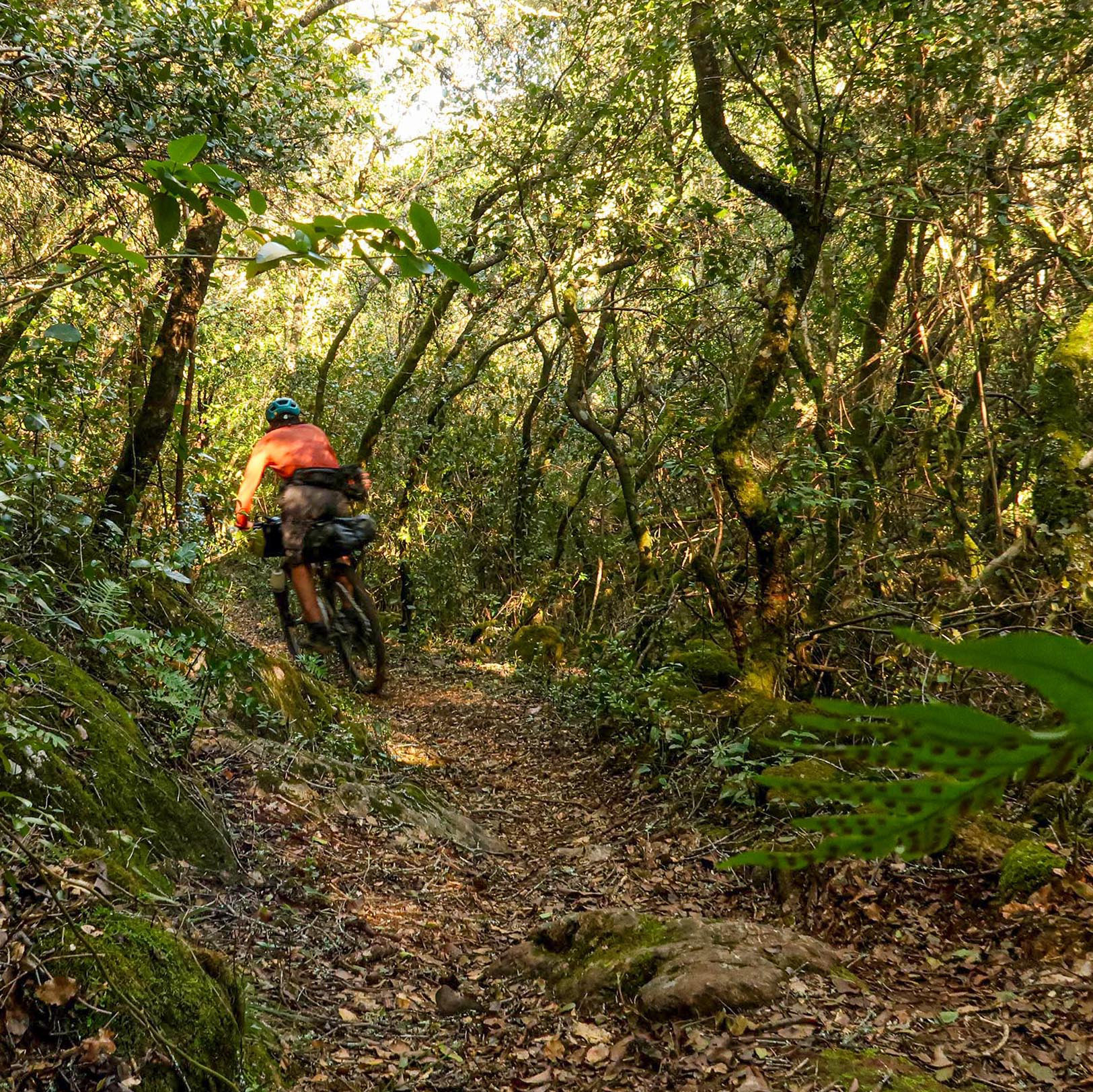
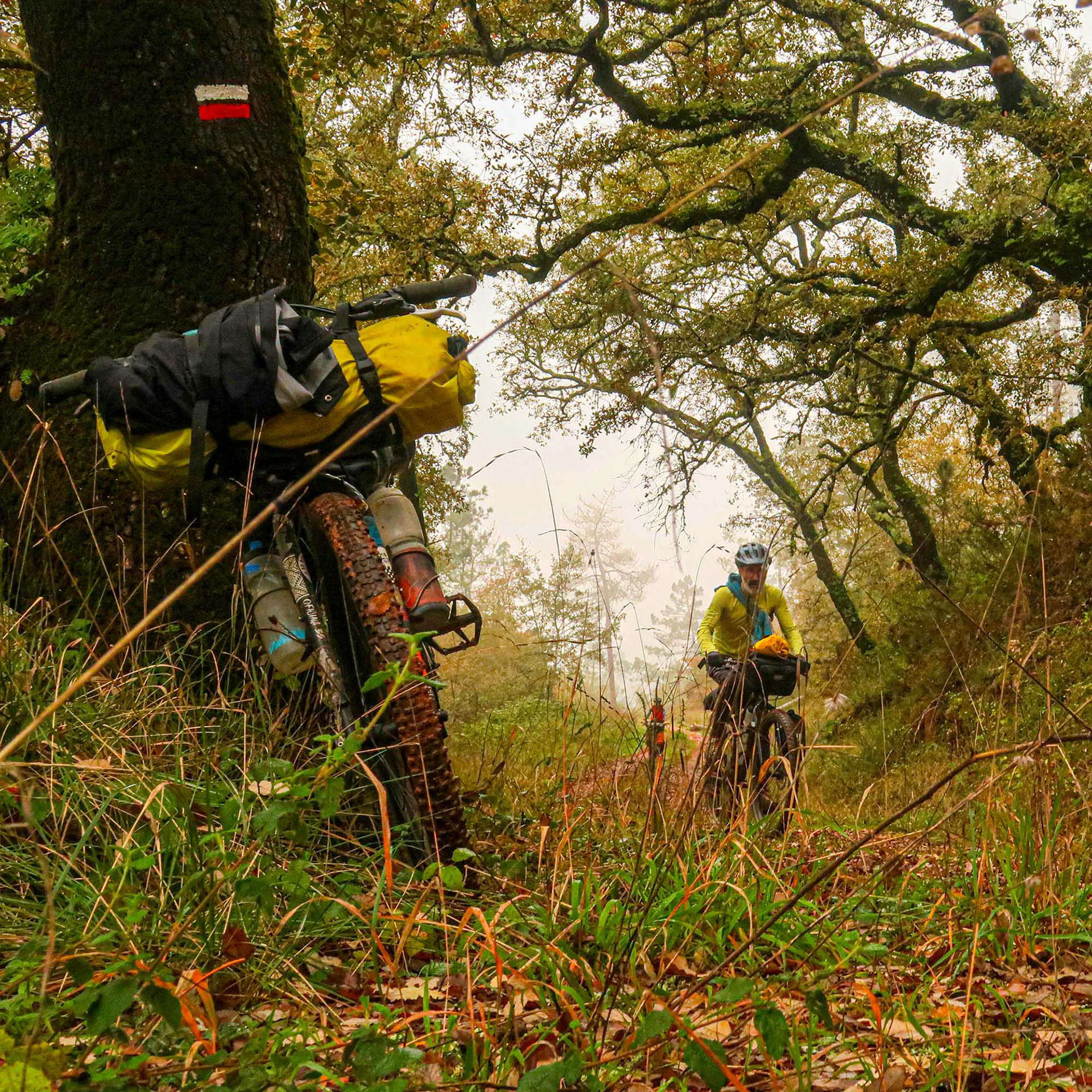
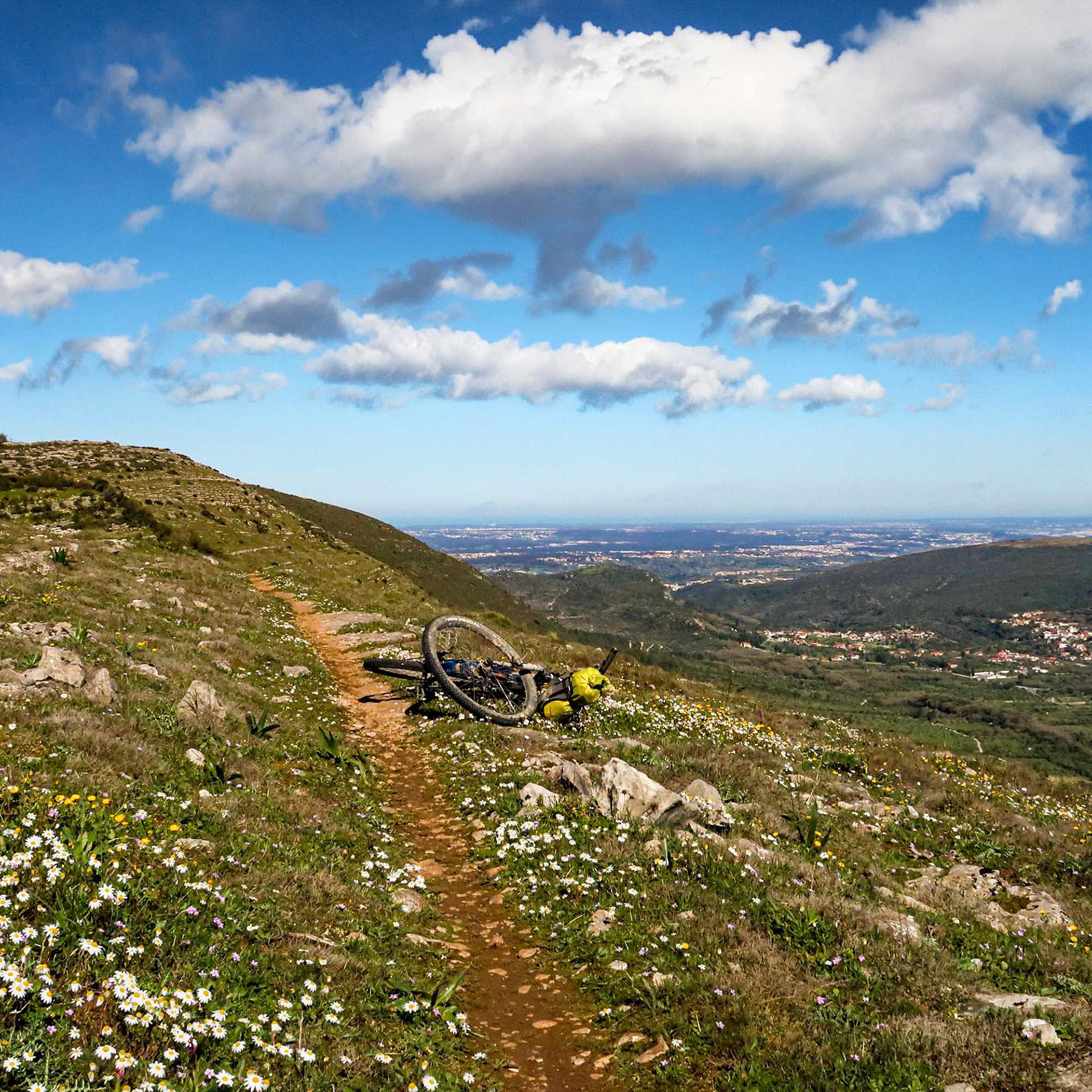
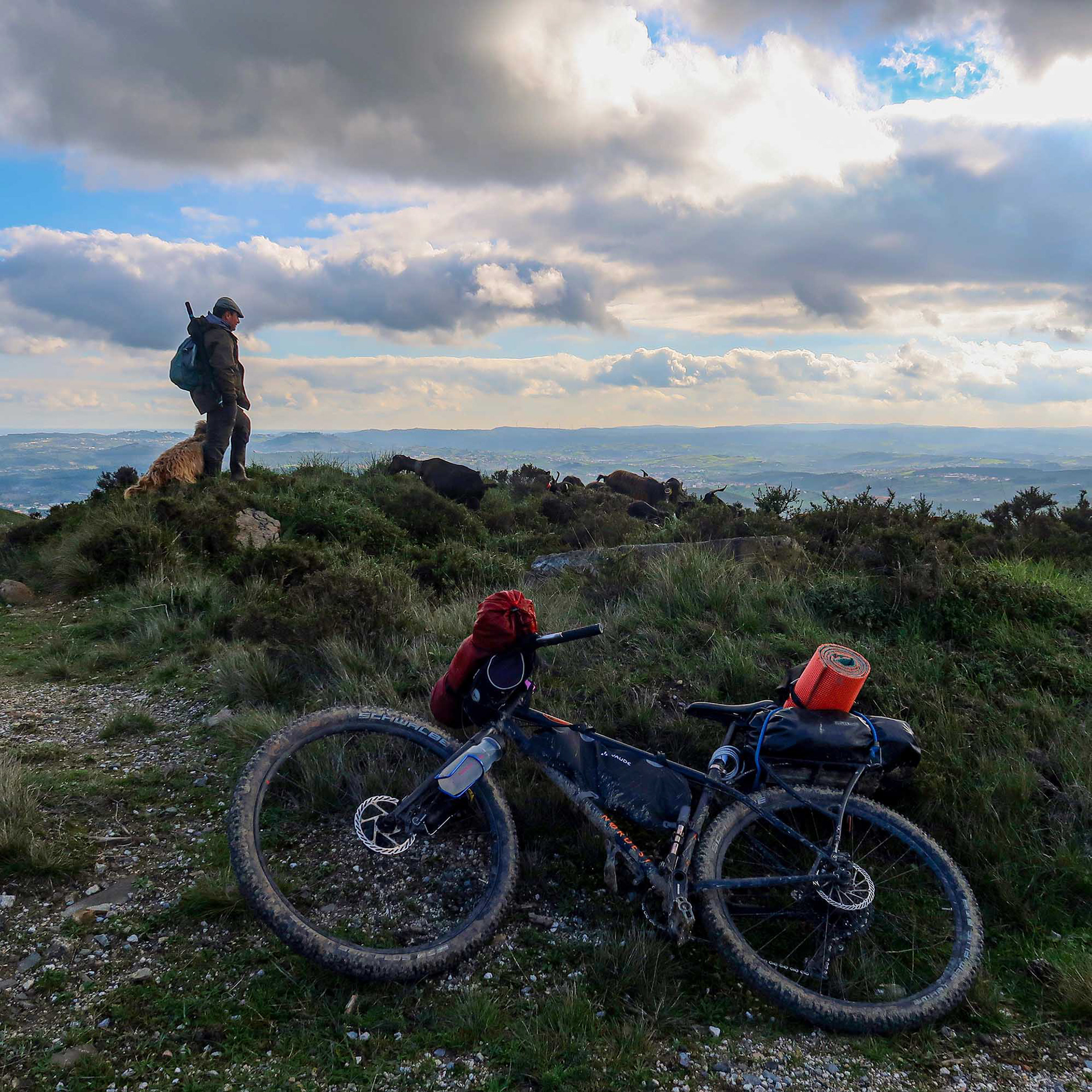
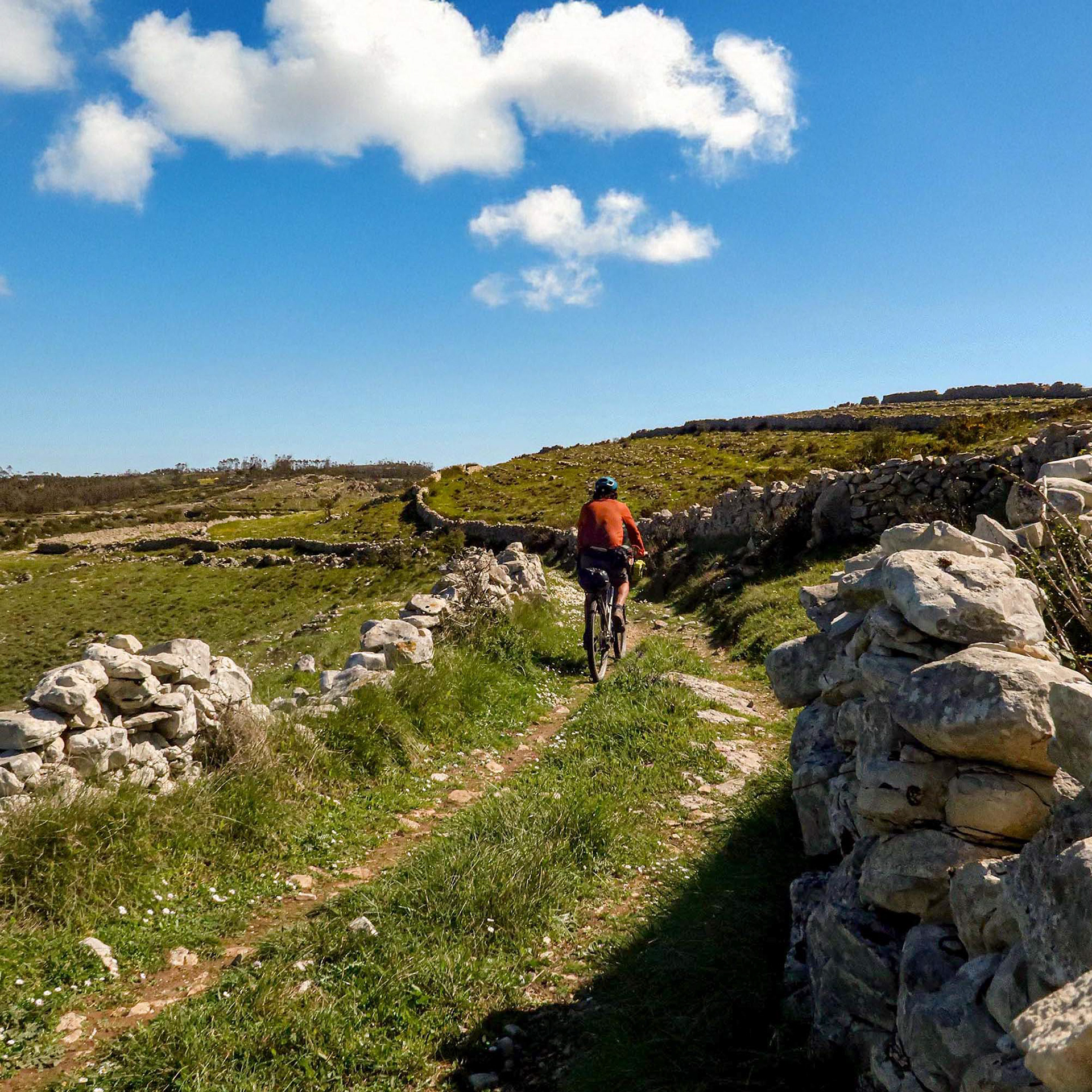
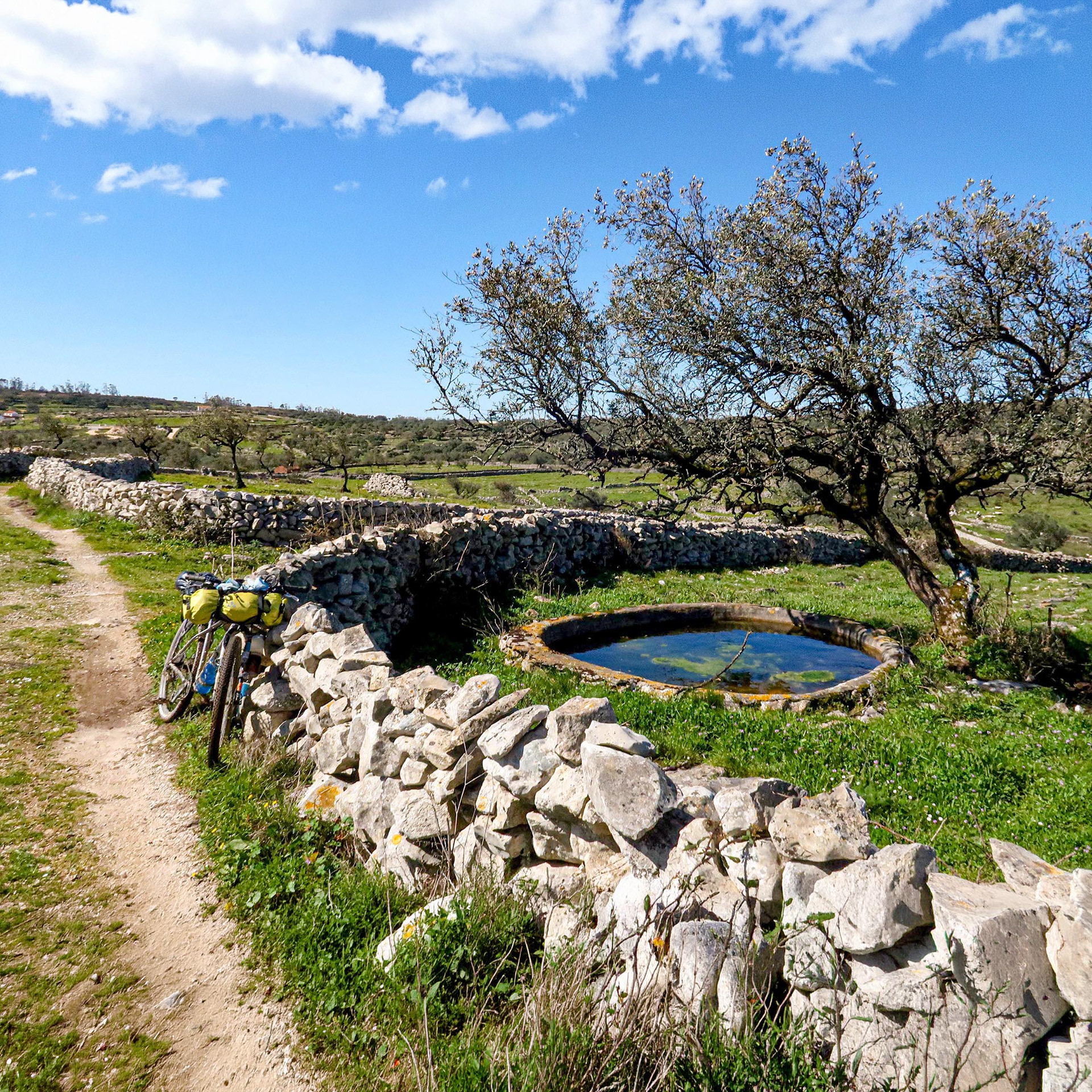
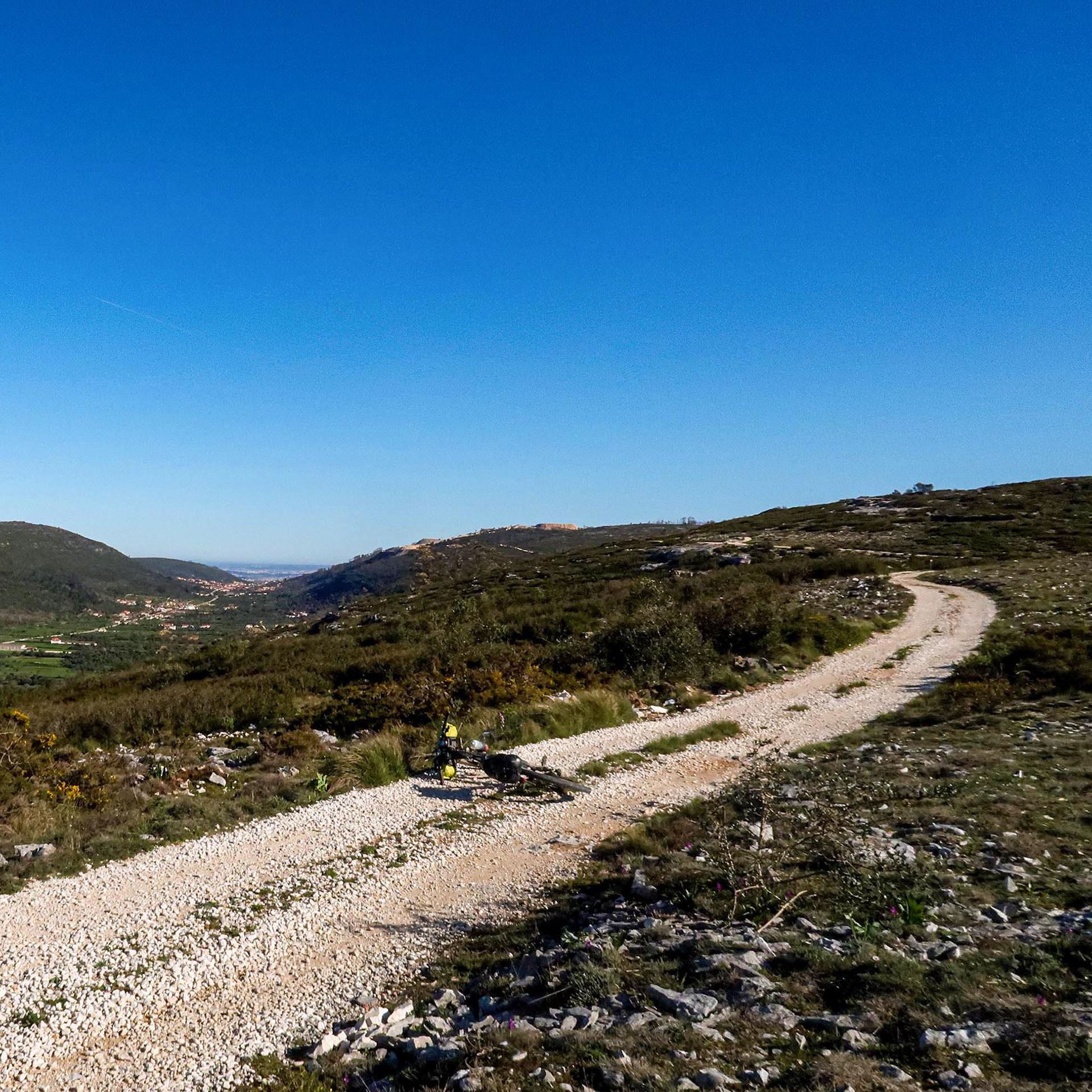
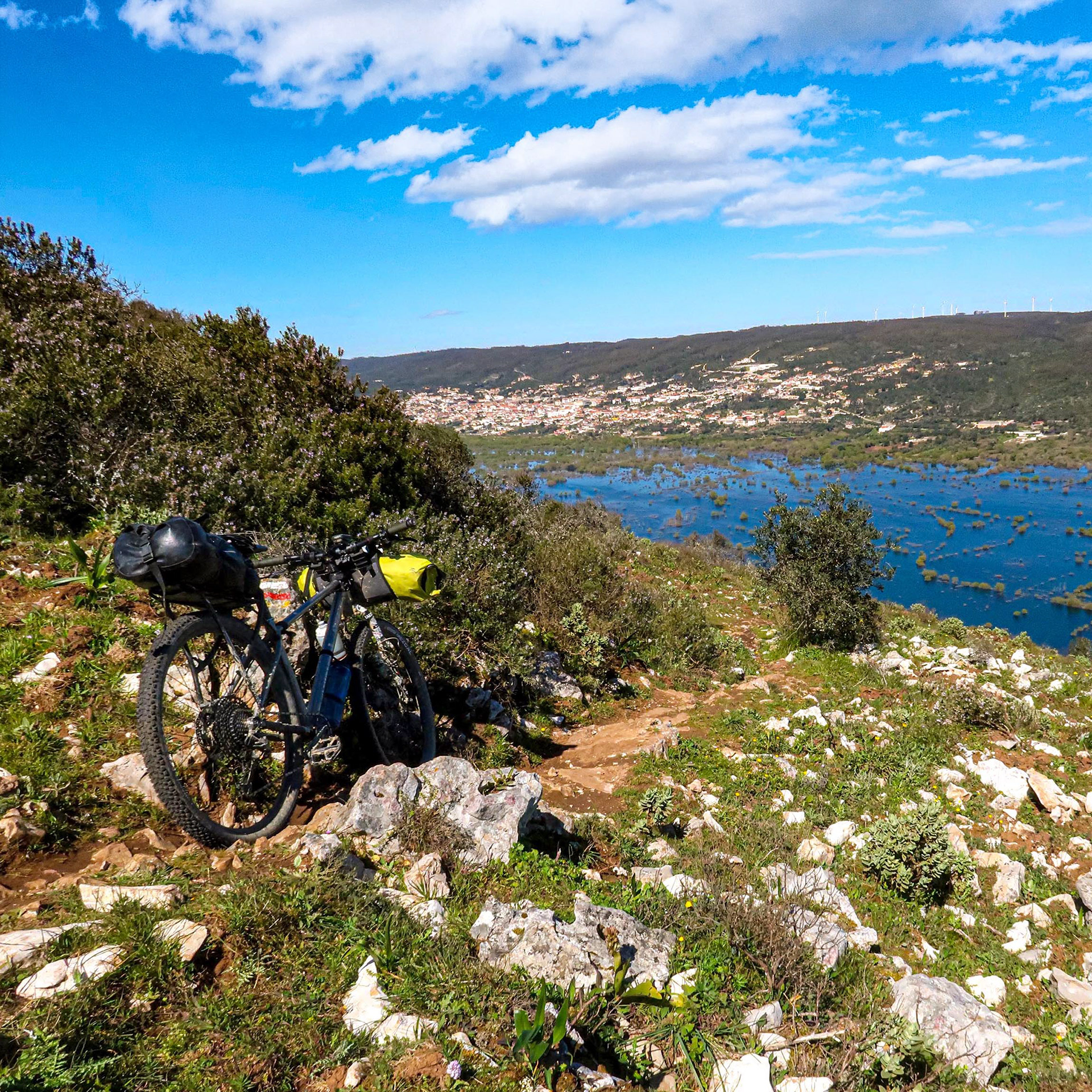
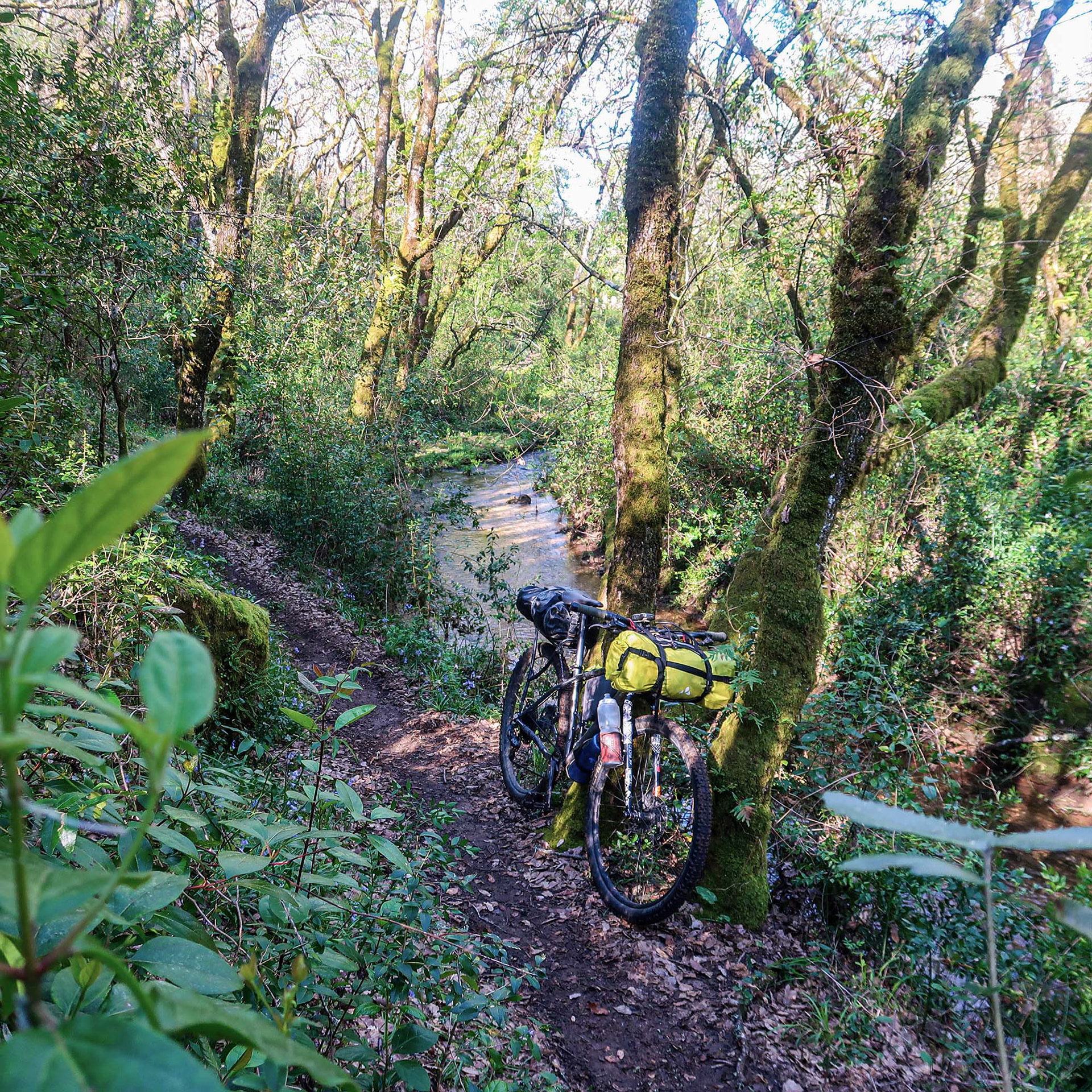
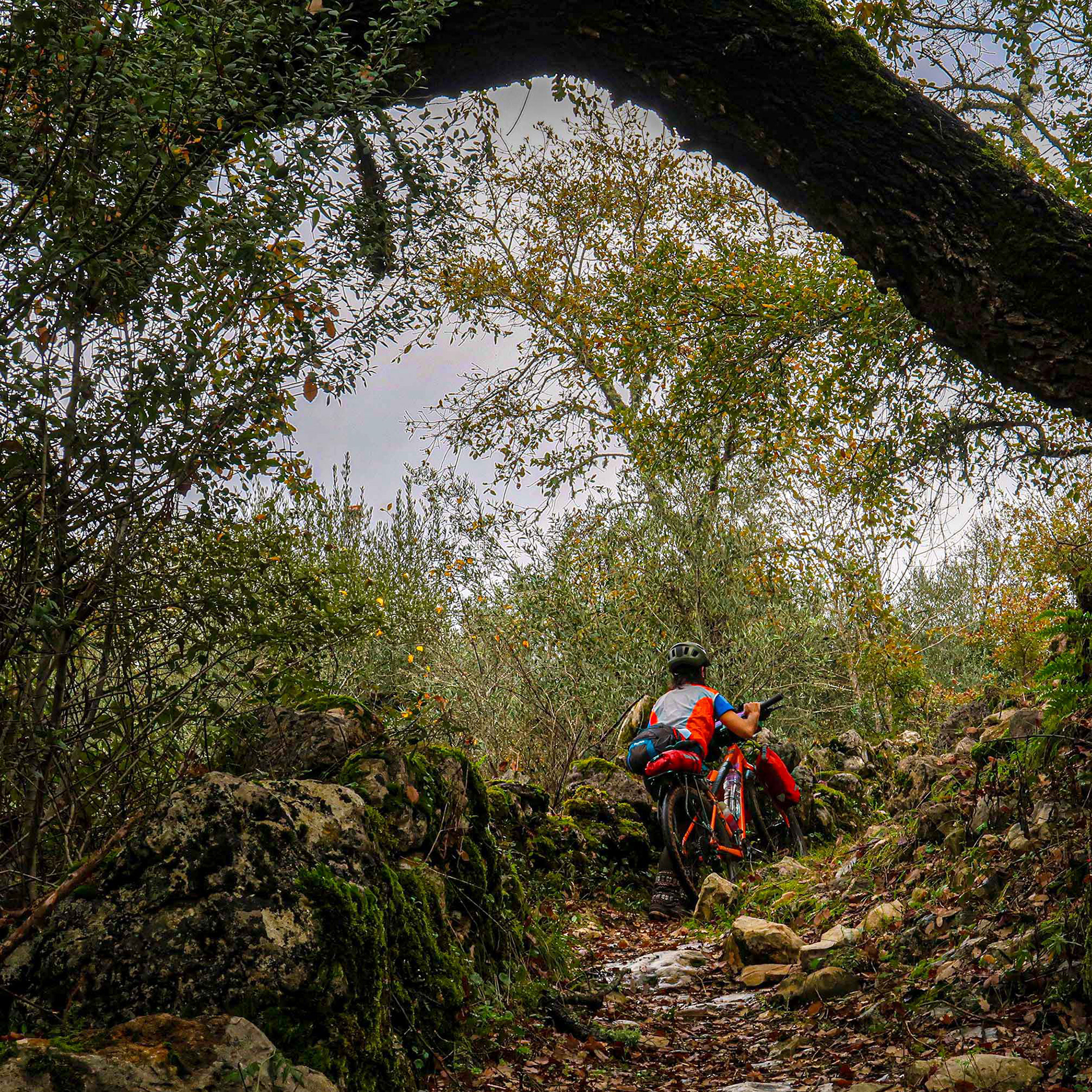
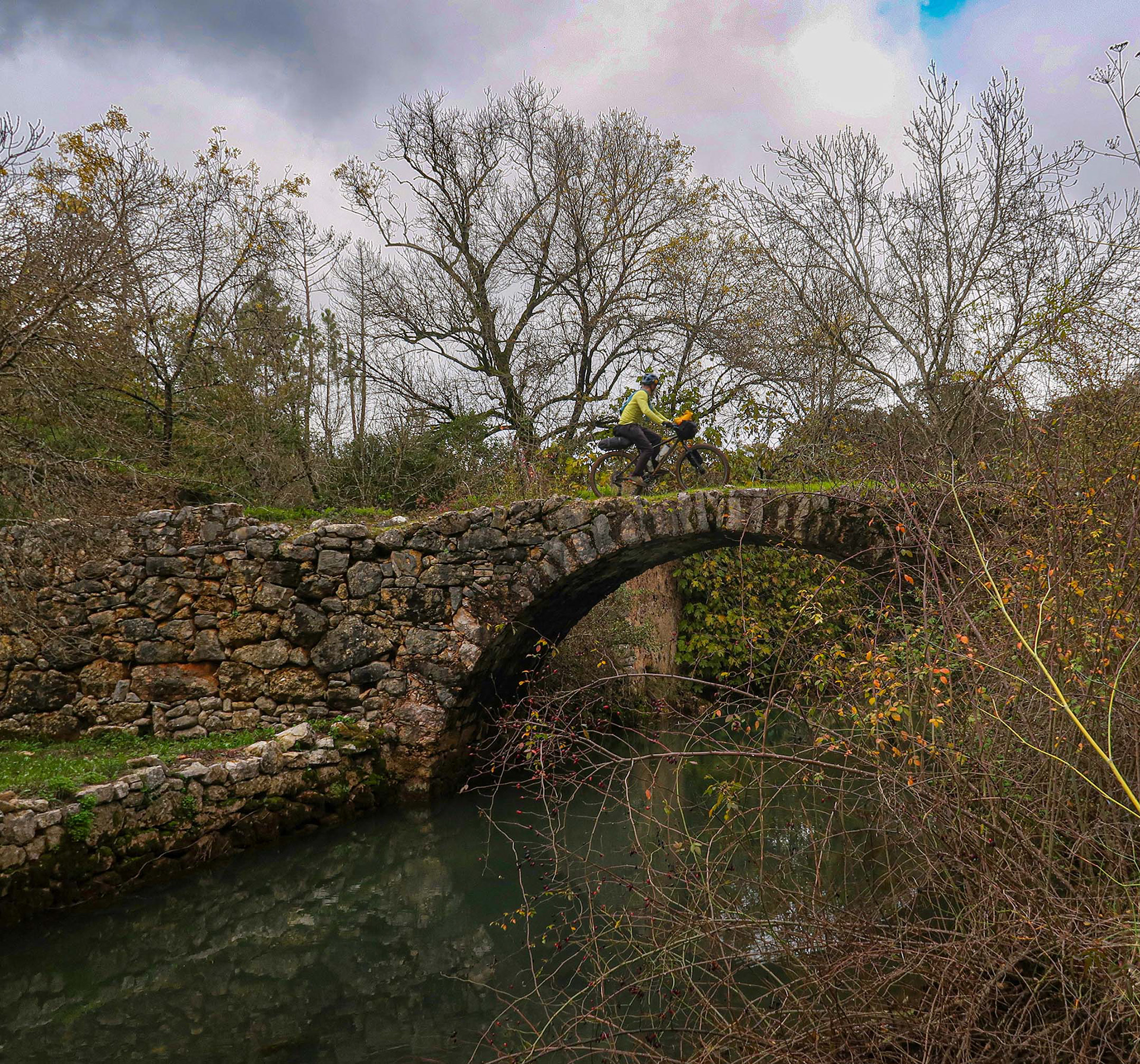
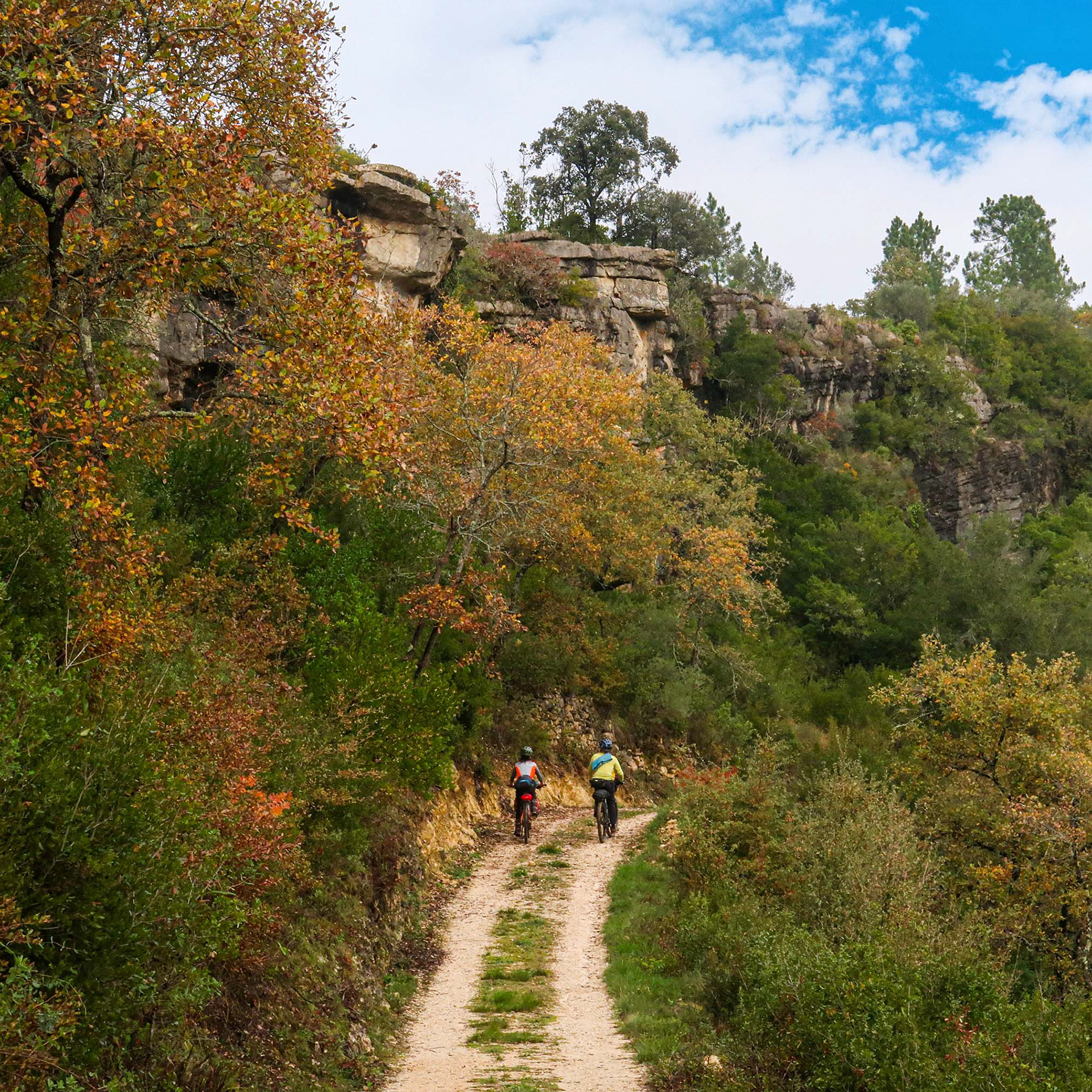
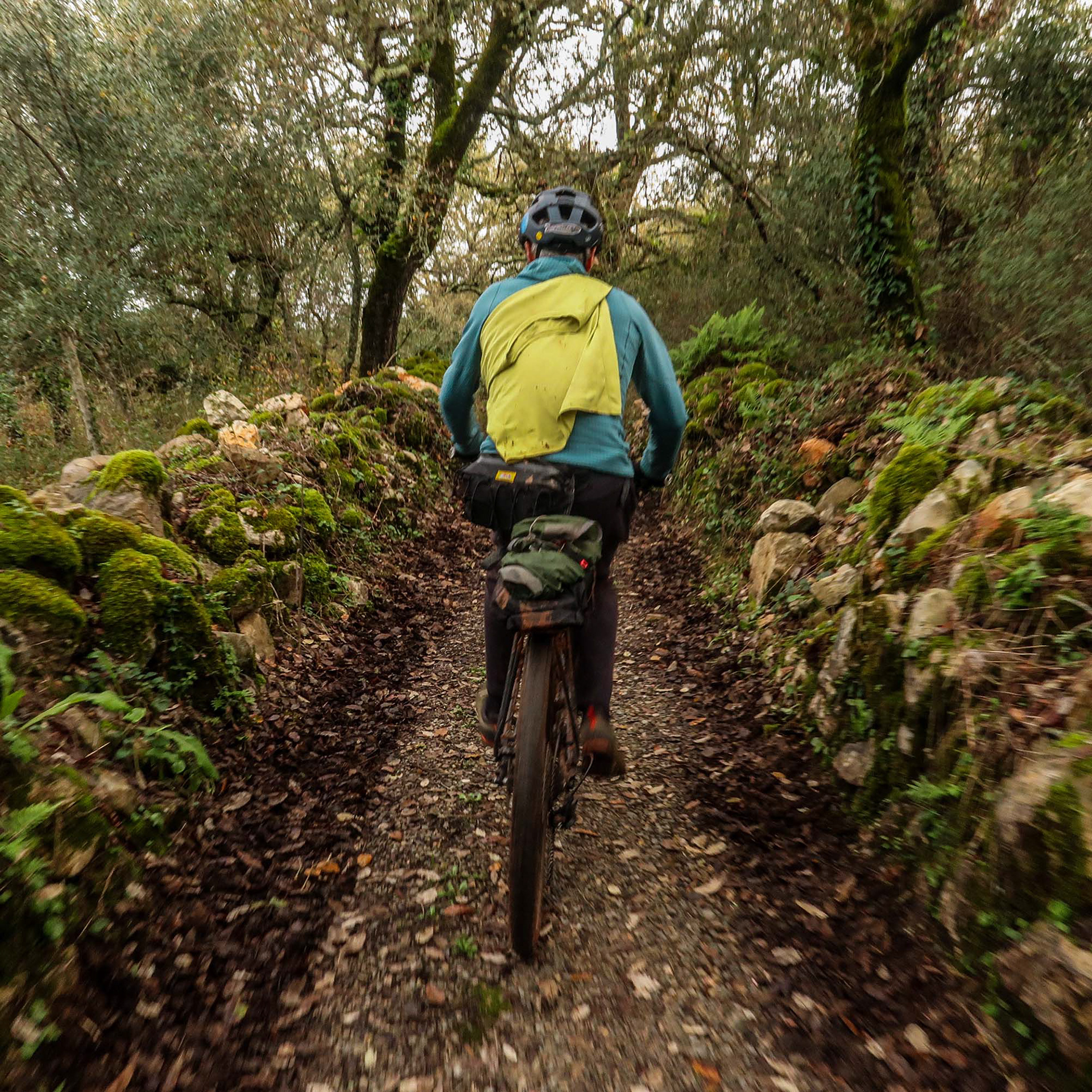
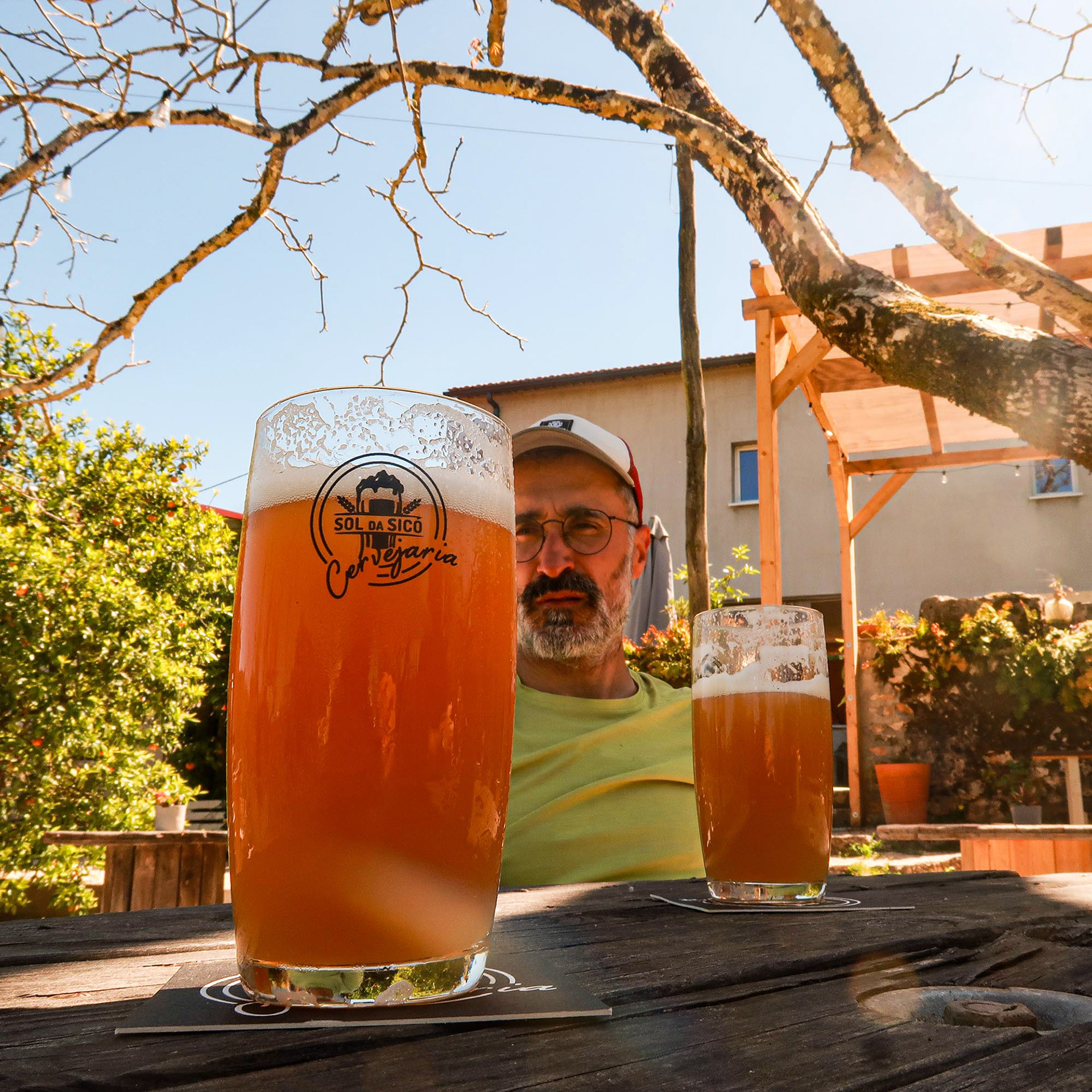
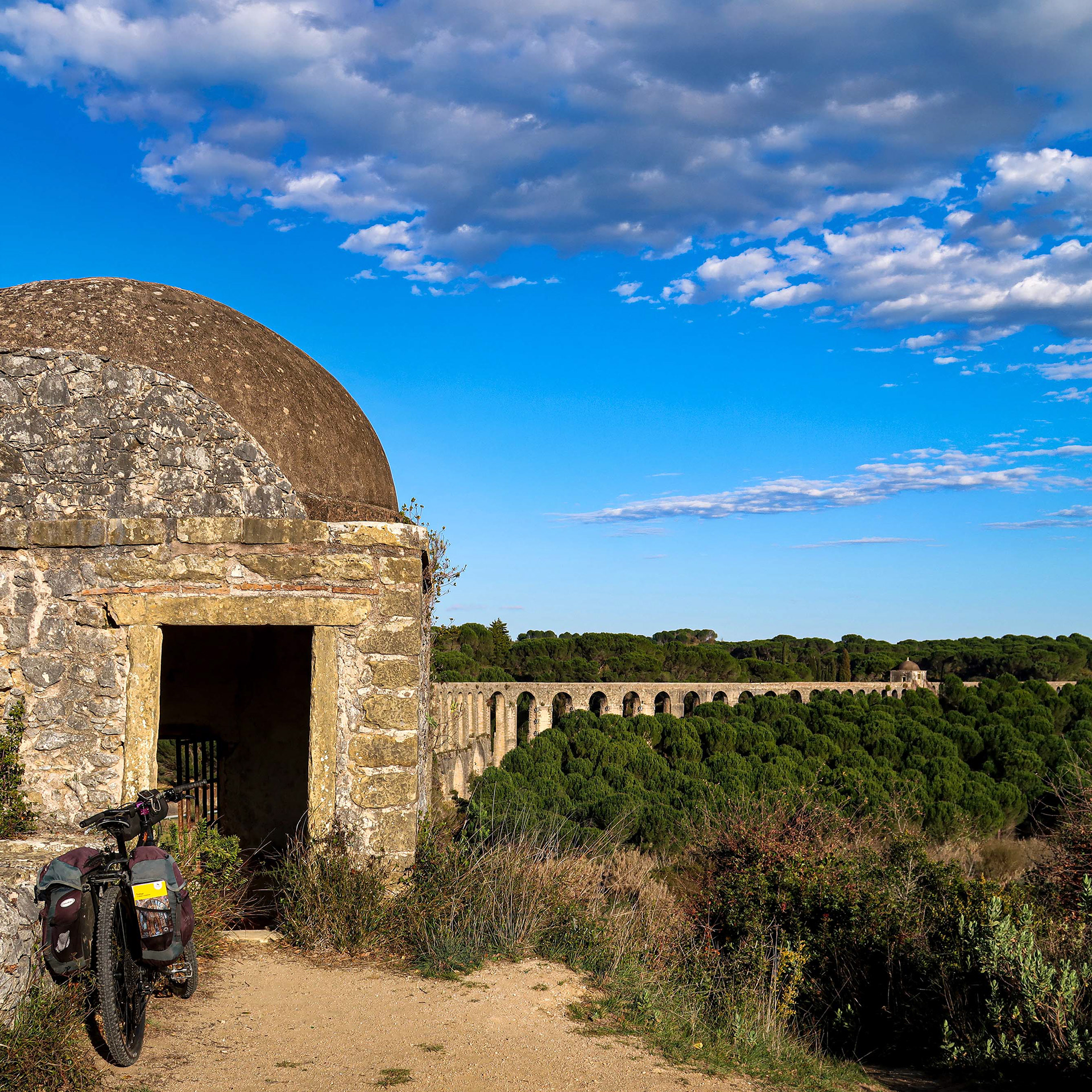
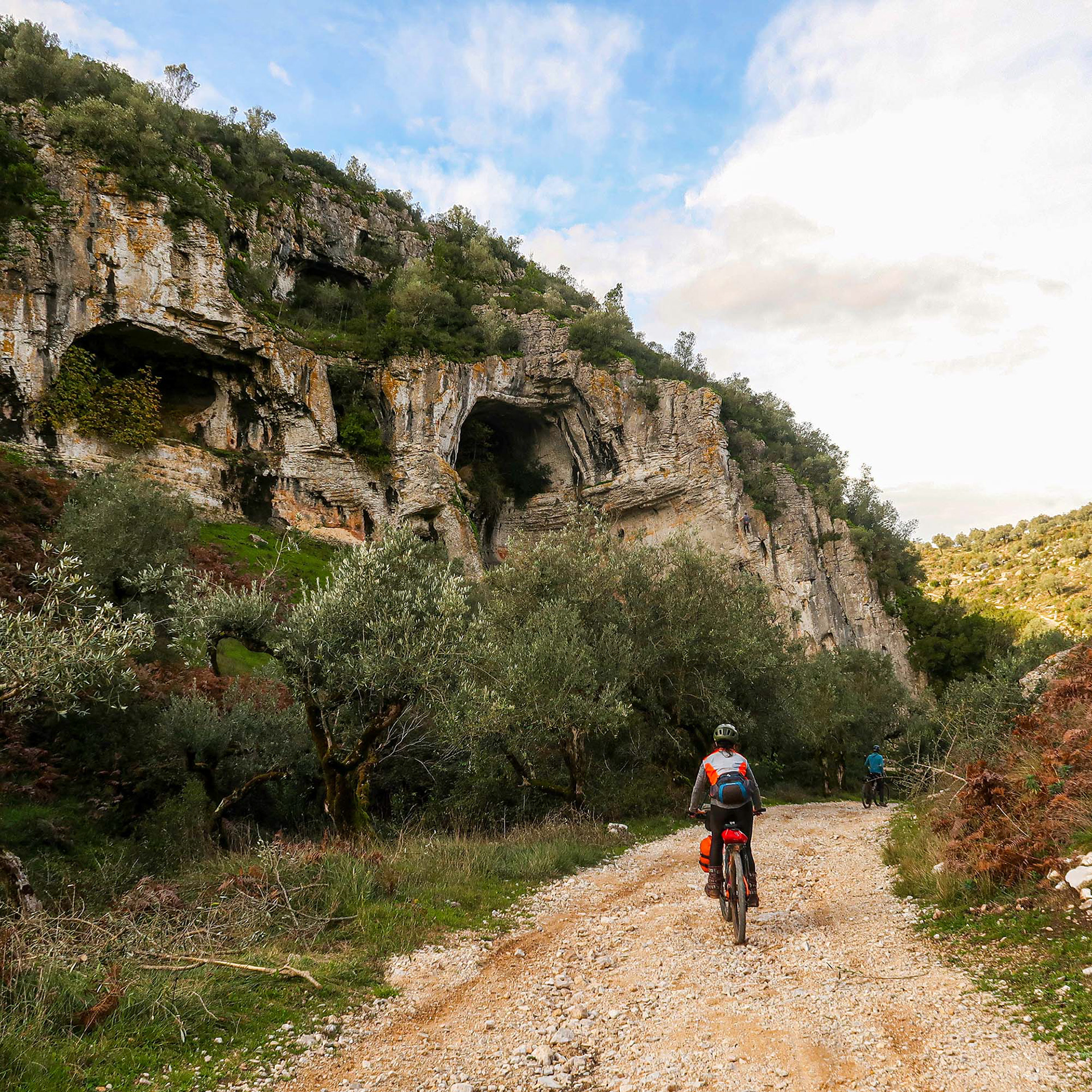
A Lapiás é um convite à exploração lenta através de uma mescla de terrenos: desde secções exigentes de bicicleta à mão e carreiros técnicos, até ao puro gravel e tranquilas estradas de alcatrão. É uma região repleta de grutas profundas e um potencial de escalada gigante. O trilho serpenteia por zonas de agricultura tradicional onde a flora é a protagonista, sendo uma das zonas botânicas mais ricas de Portugal; dependendo da época, a própria natureza oferece alimento selvagem a quem a conhece. Há tempo para saborear uma cerveja artesanal feita na serra ou um vinho autêntico acompanhado por queijo local, enquanto cruzamos relíquias como os raros bosques de carvalho-português. Nas secções mais duras, as formas imaginativas que o lapiás desenha na rocha oferecem um desafio lúdico: encontrar figuras esculpidas pelo tempo, uma distração que convida a parar para contemplar, desenhar ou tirar uma fotografia. Surge então a histórica Tomar — o local perfeito para um descanso caso o calendário o permita. Uma odisseia sensorial que só volta a encontrar o Atlântico no seu final épico.
— Projecto em fase de desenvolvimento. Traçado final disponível brevemente.
The design of this route came about by chance. The bicycle is my daily commute and, when time allows, my long-distance companion. Cycling between Mafra and Tomar — my birthplace — became a habit where my panniers carried not only adventure gear but also the TEIXO studio-workshop. Working between these two locations, the bike became my logistical bridge, turning what could have been a monotonous commute into a process of constant discovery. Upon returning home, my curiosity led me to analyze every section, discard what I didn't like, and return to test the trail right next to it. It was this obsession with testing countless variations that allowed me to build what I believe is the best possible route. It became logical to transform this project into something greater, with the intent to share the raw beauty and scale of these locations.
This itinerary connects two mythical landmarks: Cabo da Roca and Cabo Mondego. The journey begins in mystical Sintra, crossing its mountains toward the westernmost point of Continental Europe. From there, the trail follows the rugged west coast, keeping the sea constantly in sight and offering uninterrupted Atlantic views all the way to Ericeira — a World Surfing Reserve. At this point, the route diverges inland, trading the sea breeze for the fascinating geology of the Estremenho Limestone Massif.
Lapiás is an invitation to slow exploration through a mix of terrains: from demanding hike-a-bike sections and technical singletrack to pure gravel and quiet tarmac roads. It’s a region filled with deep caves and massive climbing potential. The trail winds through traditional farmland where the flora is the true protagonist; this is one of the richest botanical areas in Portugal. Depending on the season, nature itself offers wild food to those who know where to look. There is time to enjoy a mountain-crafted beer or an authentic local wine paired with regional cheese, while crossing botanical relics like the rare Portuguese oak forests. In the hardest sections, the imaginative shapes carved into the limestone (lapiás) offer a playful challenge: finding figures sculpted by time—a welcome distraction that invites you to stop, contemplate, draw, or take a photograph. You will then find historic Tomar — the perfect spot for a rest day if your schedule allows. A sensory odyssey that only meets the Atlantic again at its epic conclusion.
— Project under development. Final route available soon.
//
✥ Informação Útil // Practical Information
☼ Sentido recomendado // Easier Direction:
⌾ Início // Start: Cintra — Cabo da Roca
🏁 Fim // Finish: Figueira da Foz — Cabo Mondego
☵ Estado do Piso // Surface Conditions:
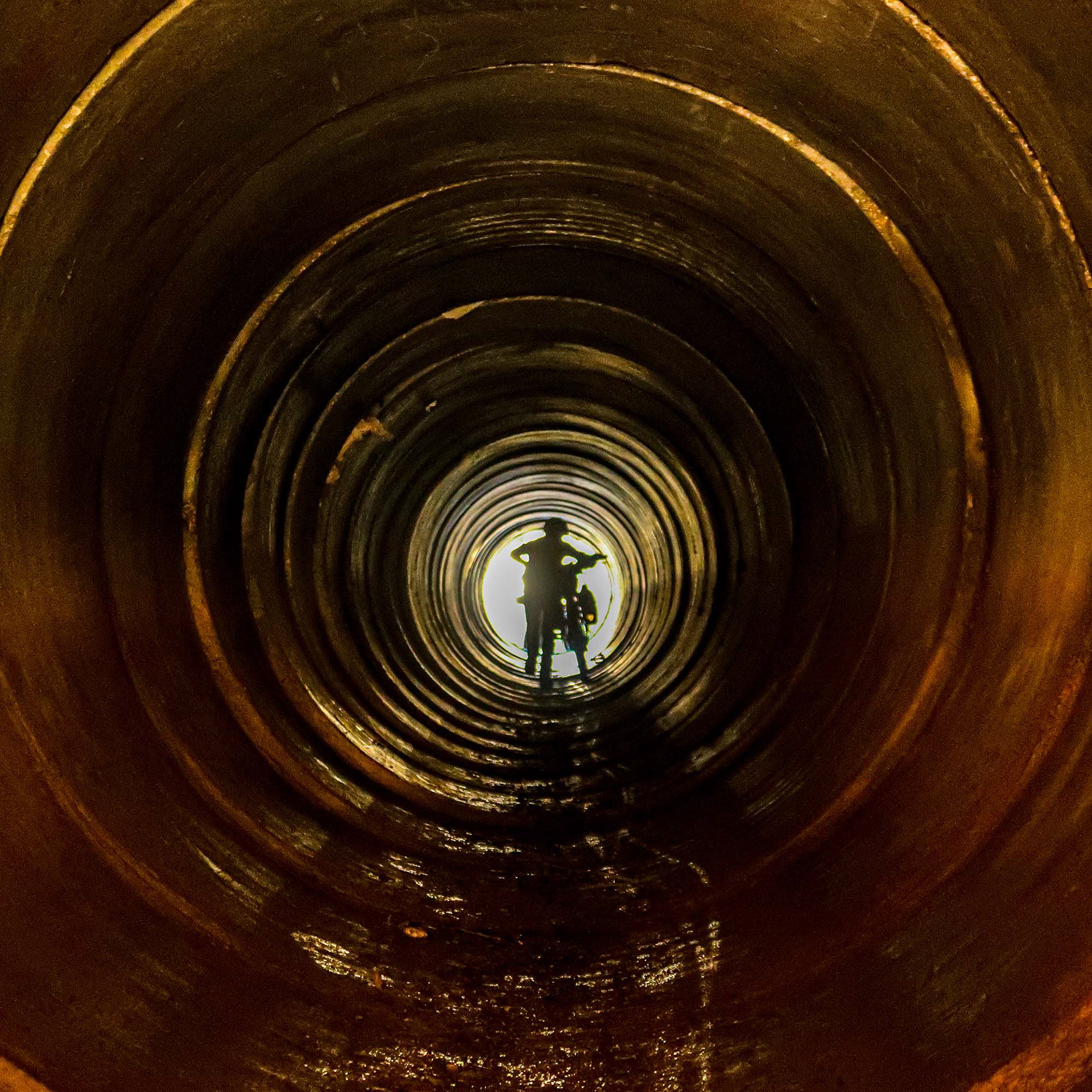
O terreno é muito pedregoso e as pedras são afiadas. Recomenda-se preparação para terreno difícil e risco elevado de furos ou cortes nos pneus. Existem oficinas em Mafra e Tomar.
The terrain is very rocky with sharp stones. Preparation for difficult terrain and high risk of punctures or tire cuts is recommended. Bike shops are available in Mafra and Tomar.
The terrain is very rocky with sharp stones. Preparation for difficult terrain and high risk of punctures or tire cuts is recommended. Bike shops are available in Mafra and Tomar.
☼ Época ideal // Best season:
Recomendado de outubro a maio. O inverno é uma excelente opção, mas evite os meses de maior calor (meados de junho a setembro), quando as temperaturas atingem facilmente os 40°C em clima seco.
Recommended from October to May. Winter is an excellent option, but avoid the hottest months (mid-June to September), when temperatures easily reach 40°C in a dry climate.
Recommended from October to May. Winter is an excellent option, but avoid the hottest months (mid-June to September), when temperatures easily reach 40°C in a dry climate.
△ Dormir e comer // Eat & Sleep
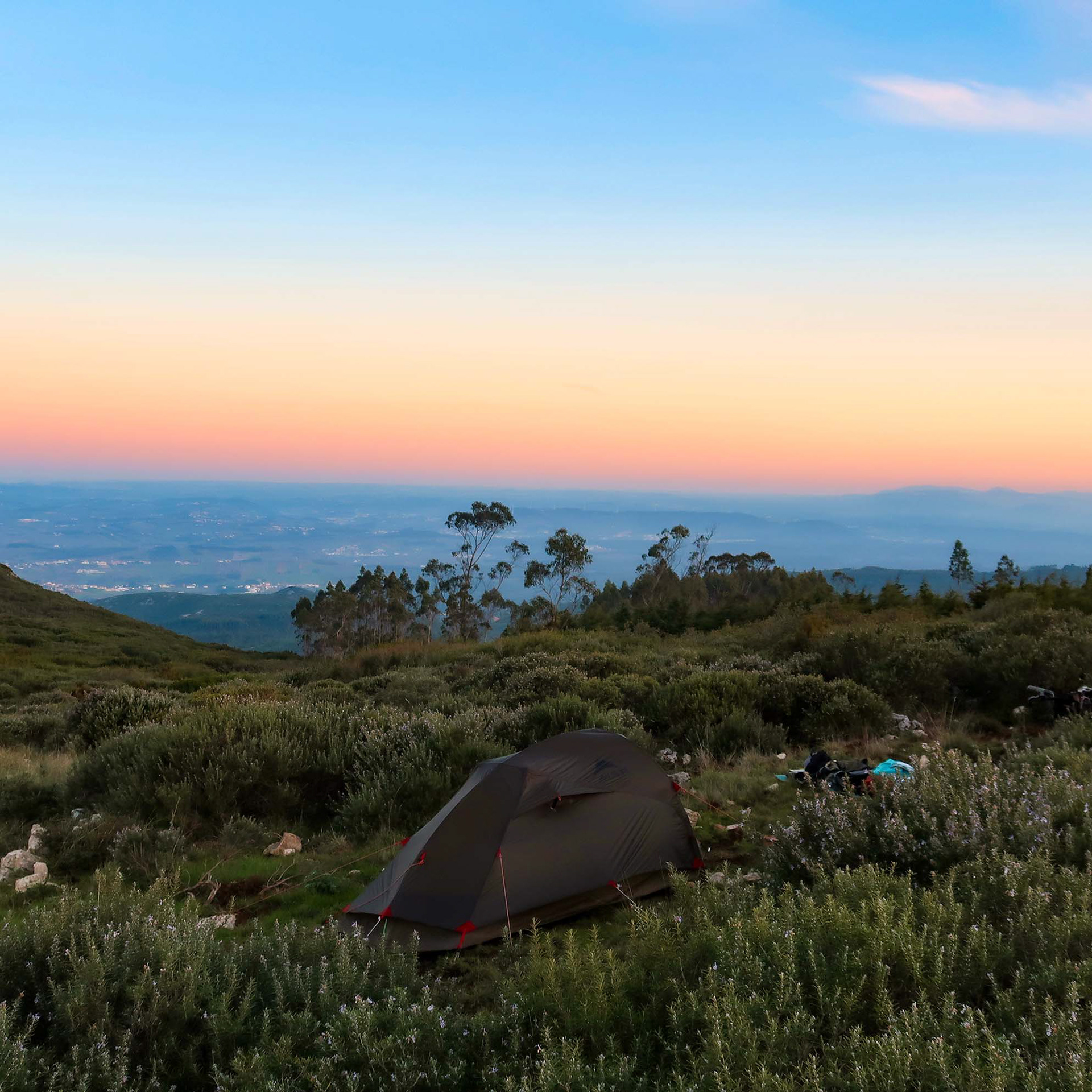
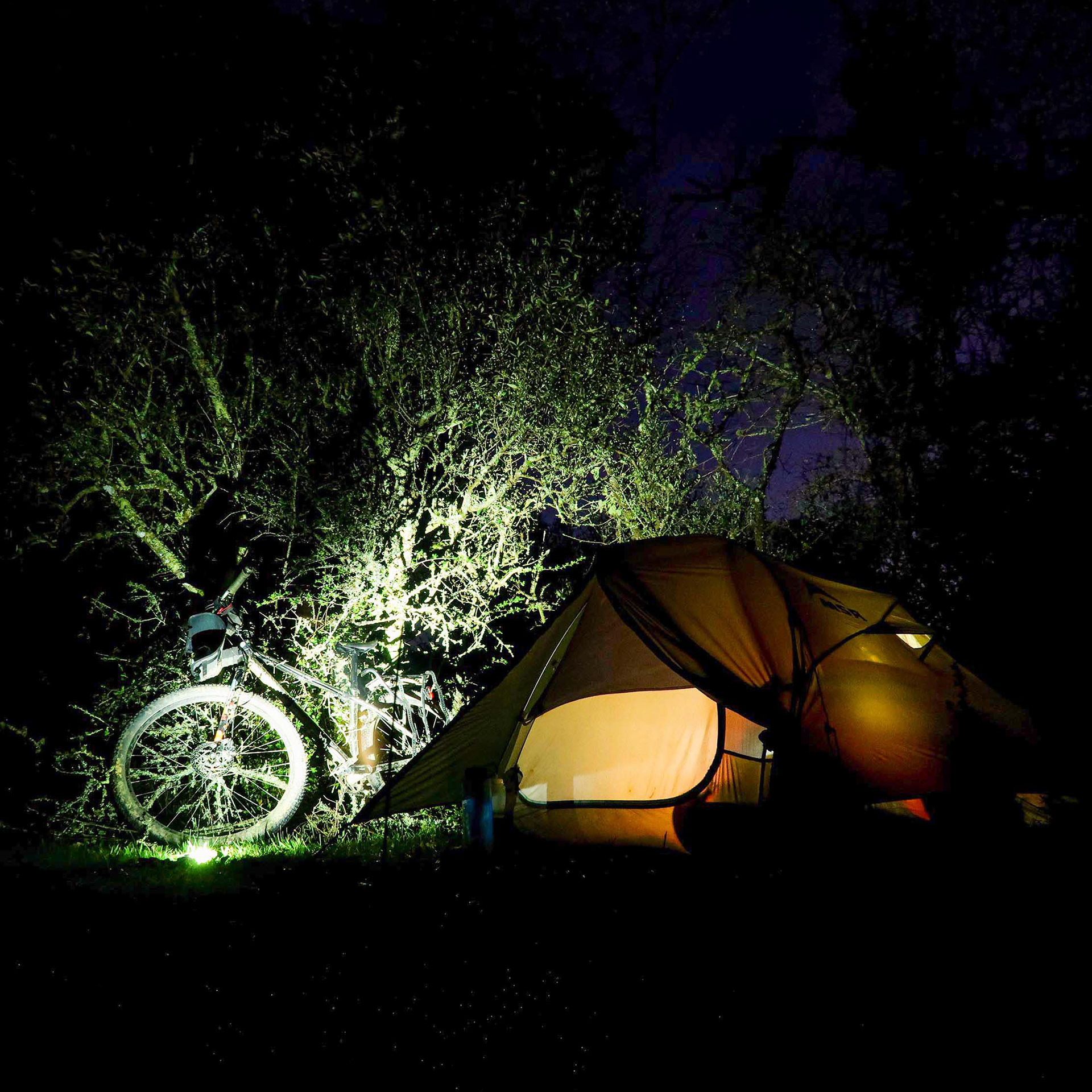
A rota foi desenhada para total autonomia e bivaque, mas existem inúmeras opções de alojamento e abastecimento ao longo de todo o percurso. Não é necessário um planeamento rígido, mas recomenda-se reserva antecipada em locais mais isolados.
Designed for self-sufficiency and bivouacking, though plenty of accommodation and supply options exist throughout the entire route. Rigid planning is not required, but early booking is recommended in remote areas.
⇄ Transportes // Transport
A forma mais fácil de chegar ao início e fim da rota é de comboio, tendo o percurso sido planeado com essa facilidade logística. Para quem tiver mais tempo, é possível regressar a Sintra pela EuroVelo 1, que segue sempre junto à costa, aproveitando para conhecer a onda gigante da Nazaré.
The easiest way to reach the start and finish points is by train, as the route was designed with this logistical ease in mind. For those with more time, it is possible to return to Sintra via EuroVelo 1, which follows the coastline and offers the chance to see the giant waves of Nazaré.
© Fotografias de Rui Henrique e Bons Selvagens